Guava Glazed Pork Ribs
Florida guava paste melts into a sticky, copper-colored glaze with cane vinegar and cracked black pepper, turning a rack of spare ribs into something you will want to make every weekend the weather holds. The ribs go into a low oven for two and a half hours until the meat pulls back from the bone, then get finished under the broiler so the glaze sets and chars at the edges. It is Cuban home cooking at its most direct, and it is hard to stop eating.
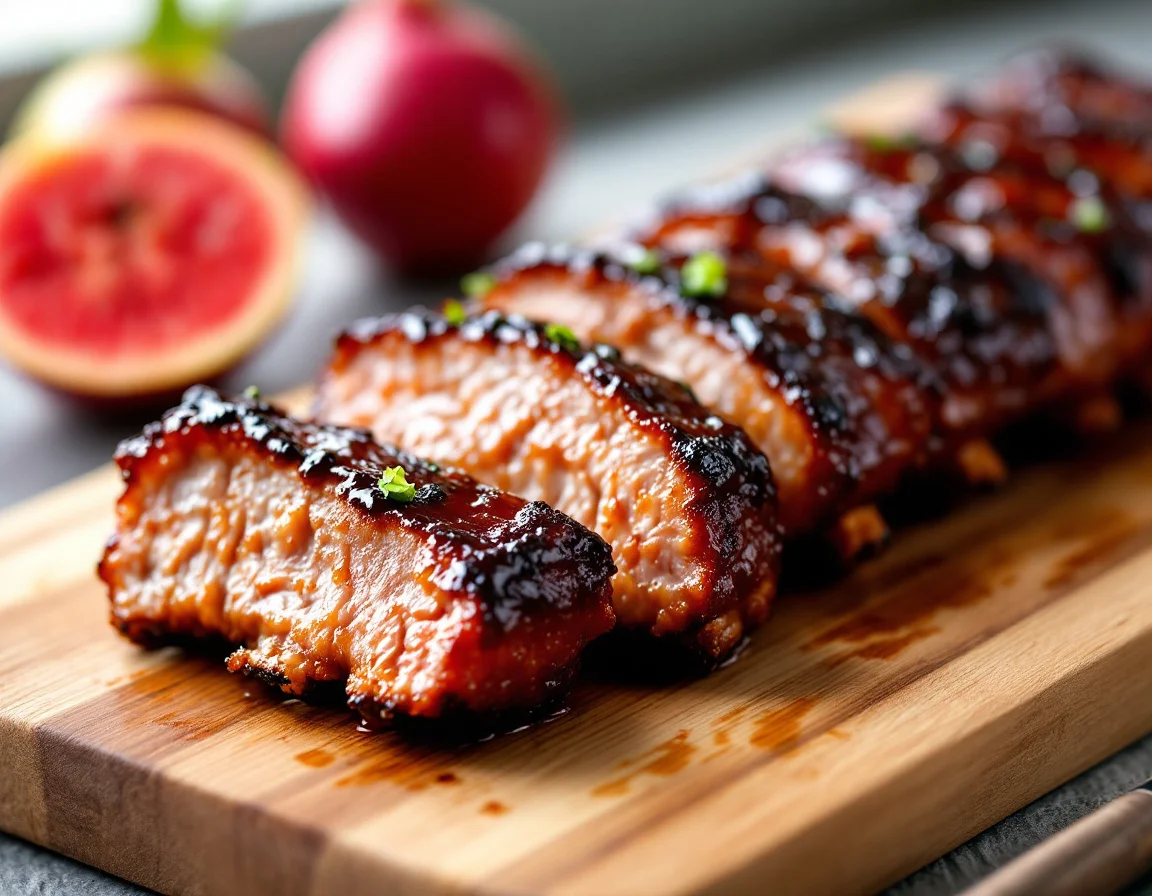
Low and slow in a Florida kitchen, guava glaze doing all the talking.
Around here, guava paste is a pantry staple the same way tomato paste is for someone else. You keep a tin in the cabinet, break off a piece for a pastry, eat a corner with a slice of white cheese, and eventually you find yourself melting it down into a rib glaze that makes the whole kitchen smell like something worth waiting three hours for.
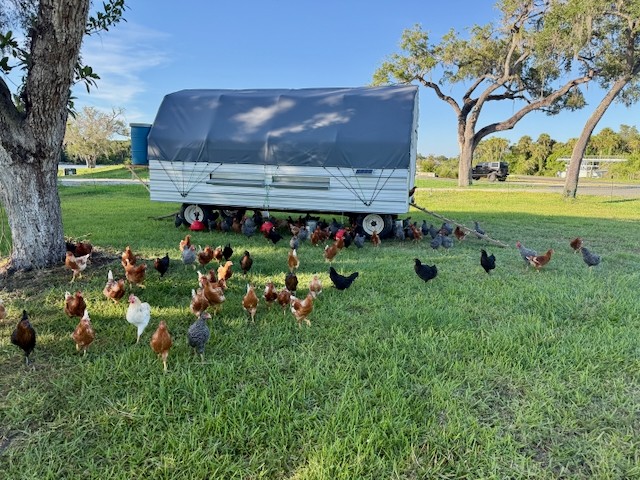
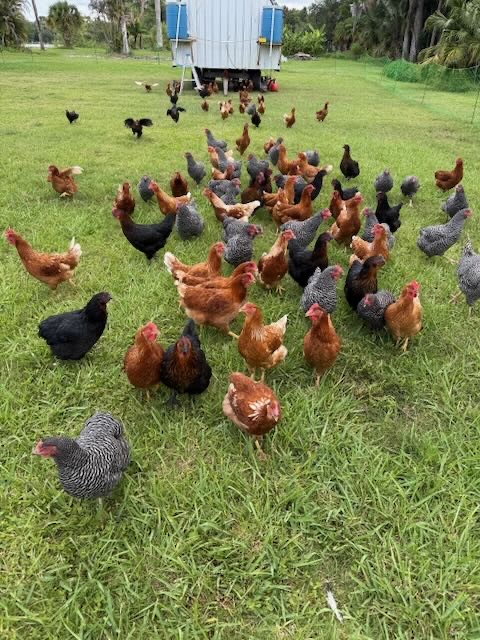
Florida guava season runs late summer through fall, and the paste you find in stores leans on that same deep, floral sweetness. Paired with cane vinegar and black pepper, it turns into a glaze that is equal parts Cuban kitchen and low-and-slow barbecue patience. Start these ribs before the afternoon storm rolls in and they will be ready right when you want them. You can read how we raise them here.
Ingredients
Method
- 1
Heat your oven to 300 degrees F. Lay the rack of ribs meat-side up on a large rimmed baking sheet and pat them dry with paper towels. Season all over with salt and a generous amount of cracked black pepper, pressing it in so it sticks. Flip the rack bone-side up, season again, then flip back meat-side up.
- 2
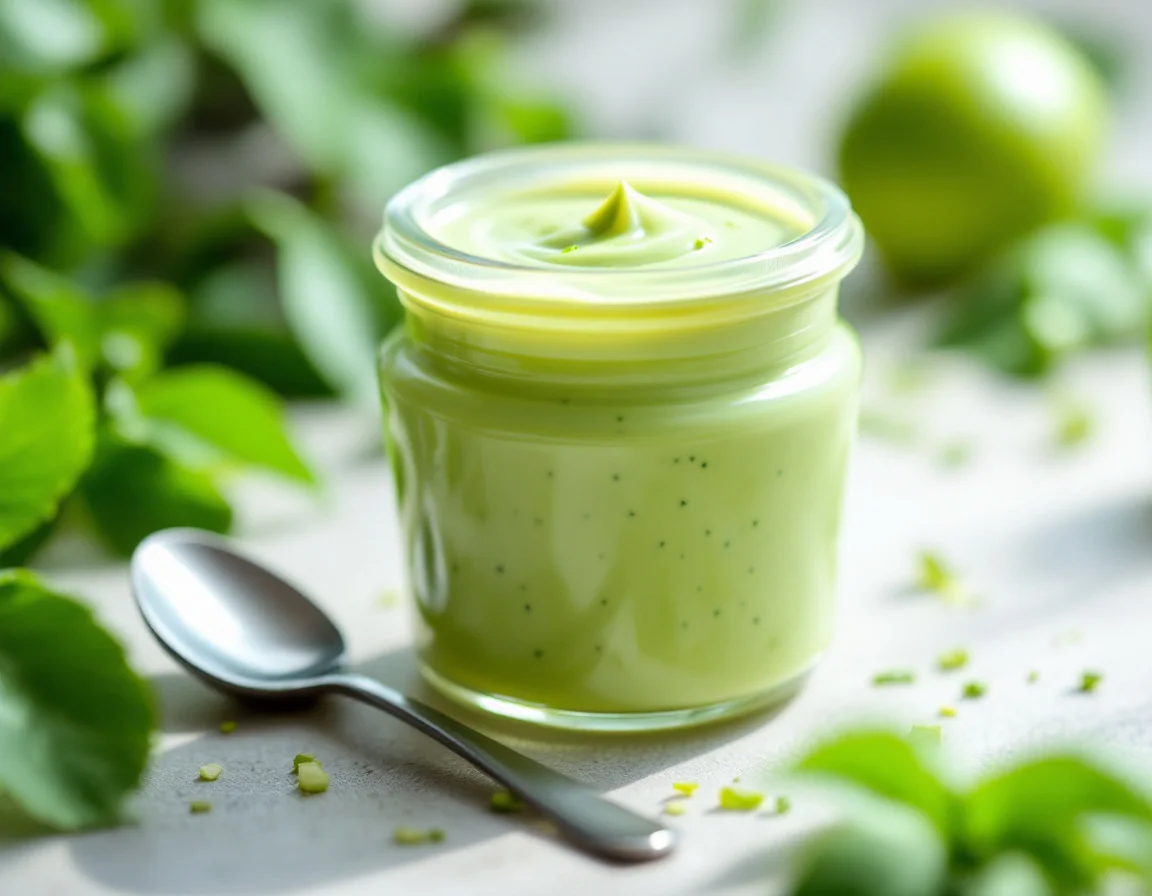
Make the glaze. Put the guava paste chunks, vinegar, soy sauce, and minced garlic in a small saucepan over medium-low heat. Stir steadily as the paste melts, about 5 to 7 minutes, until the mixture is smooth and just barely simmering. Stir in the 1.5 teaspoons of cracked black pepper and pull it off the heat. The glaze should be thick enough to coat a spoon.
- 3
Brush a generous layer of glaze over the top and sides of the ribs. Reserve the rest of the glaze in the saucepan. Tent the baking sheet loosely with foil, making sure the foil does not press down on the meat, and slide the pan into the oven.
- 4
Roast at 300 degrees F for 2 hours and 15 minutes. The ribs should be deeply tender and the meat visibly pulling away from the bone ends. Carefully remove the foil and brush on another heavy coat of glaze.
- 5
Return the ribs to the oven, uncovered, for another 20 minutes so the glaze tightens and darkens. Then switch the oven to broil on high, move the rack to the upper third, and broil for 3 to 5 minutes until the glaze bubbles and gets a few char spots. Watch it closely. Guava sugar moves fast under a broiler.
- 6
Pull the ribs out and let them rest on the pan for 10 minutes. Warm any remaining glaze over low heat and brush one final coat over the rack before you cut it into individual ribs. Serve with rice, black beans, or just a stack of napkins.
Notes from our kitchen
- Pulling the membrane off the back of the ribs before cooking is worth the extra minute. Slide a butter knife under the silvery skin at one end of the rack, grip it with a dry paper towel, and peel it away in one pull. The ribs will be more tender and the seasoning will penetrate better.
- Florida guava paste is sold in most Latin grocery stores in South Florida and in the Latin aisle of many larger supermarkets. It comes in flat tins or wrapped blocks. The darker, more deeply flavored paste gives a richer glaze than the bright pink kind, but either will work.
- If your glaze reduces too thick while the ribs are in the oven, thin it back out with a splash of water or extra vinegar before brushing. It should flow easily off a spoon.
Common questions
Can I use baby back ribs instead of spare ribs?
Yes. Baby backs are smaller and more tender, so reduce the covered roasting time to about 1 hour and 45 minutes, then proceed with the glaze and broil as written. Check for doneness by wiggling a bone. It should feel loose.
Can I make the glaze ahead of time?
Absolutely. The glaze keeps in a sealed jar in the refrigerator for up to two weeks. Warm it gently before using because it will thicken as it cools.
What if I cannot find cane vinegar?
White wine vinegar is the closest substitute and what the recipe calls for as an alternative. Apple cider vinegar will also work and adds a faint fruitiness that plays well with the guava.
Is this recipe very sweet?
The guava paste is sweet, but the soy sauce, vinegar, black pepper, and the long roasting time balance it out. The finished glaze is savory-forward with a fruity sweetness at the back, not candy-sweet. If you want it sharper, add an extra splash of vinegar to the glaze.