Monarch
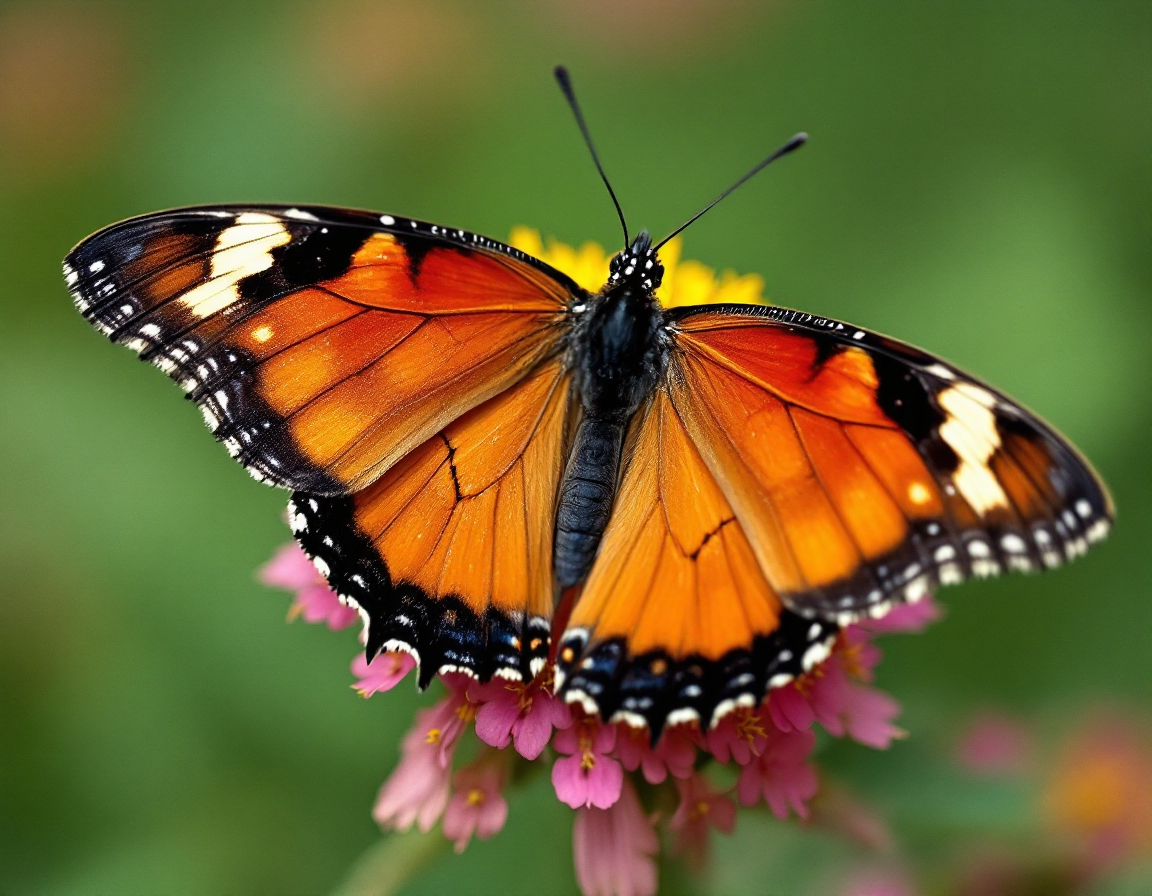
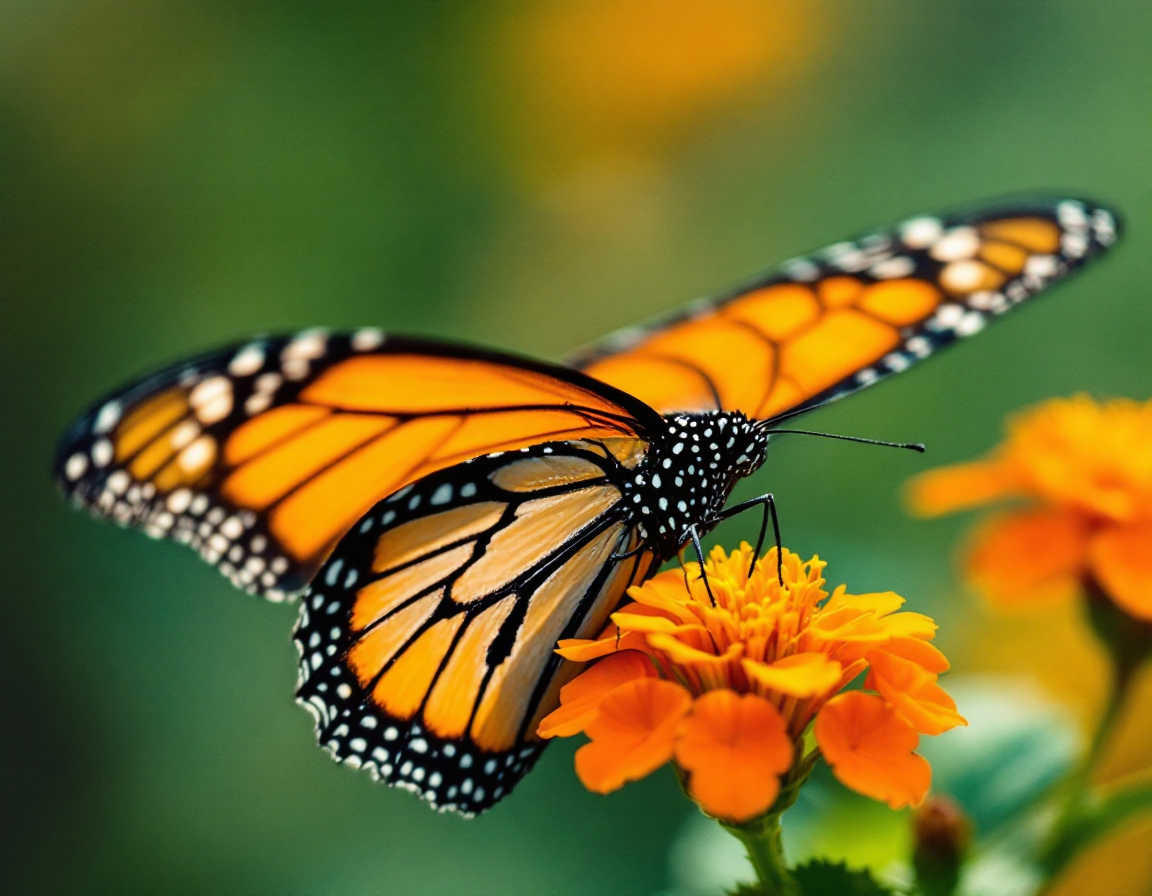
Deep orange panes held in heavy black veins, with a black border double-spotted in white. The one everybody knows, and the one people most often confuse with the Queen. If the veins are thick and black, it is a Monarch.
We planted for these on purpose. Milkweed, firebush, passionvine and other Florida natives went in because each one feeds a particular butterfly at a particular stage. The Caloosahatchee runs along one edge of the place, which keeps the low ground damp and gives everything a corridor to move along. This page is the running list of what those plantings actually brought in.
Deep orange panes held in heavy black veins, with a black border double-spotted in white. The one everybody knows, and the one people most often confuse with the Queen. If the veins are thick and black, it is a Monarch.
The Monarch's darker cousin — rich chestnut-brown instead of orange, dusted with white spots across the forewing and without the heavy black veining on top. On the same milkweed patch in South Florida you will usually count more Queens than Monarchs.
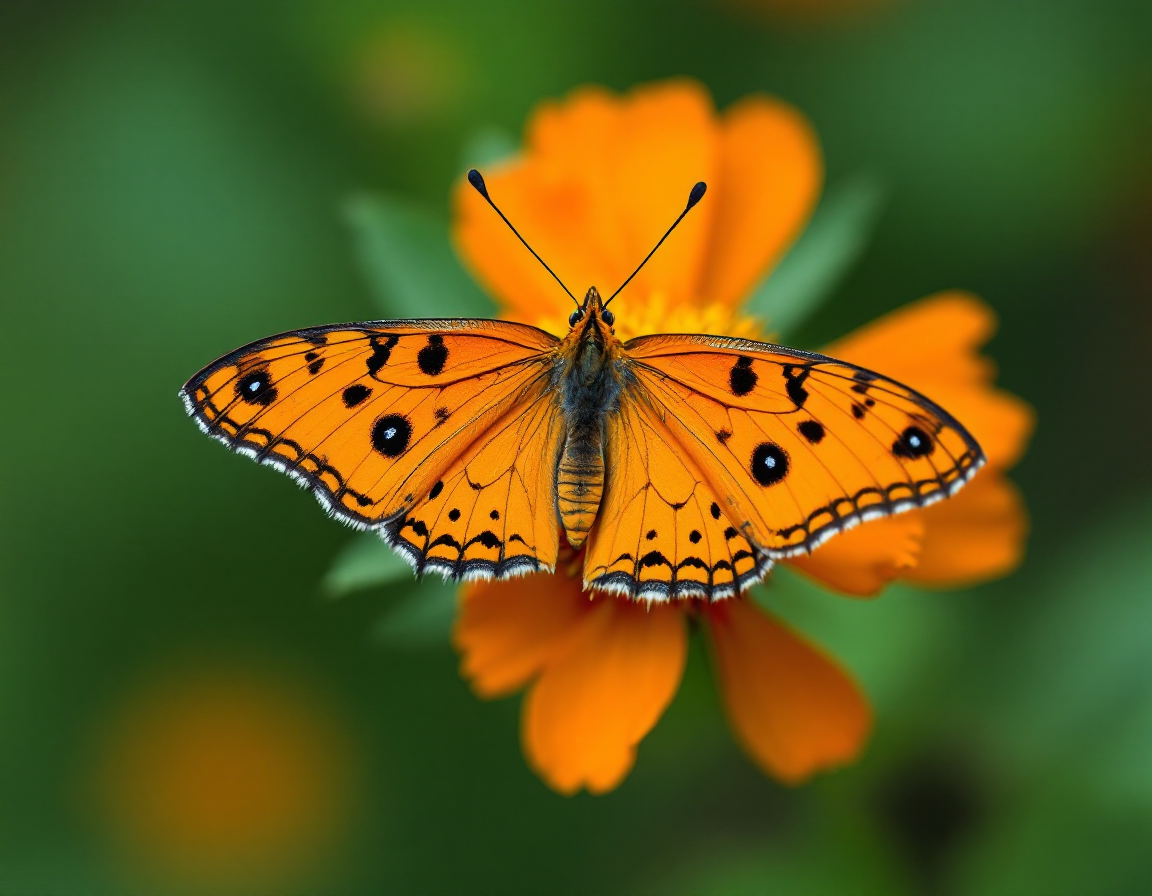
Bright orange with black spotting on top, but turn one sideways and the underwing is the real show — long silver-white panels laid over brown. Fast, restless, and hard to keep in frame long enough to look at.
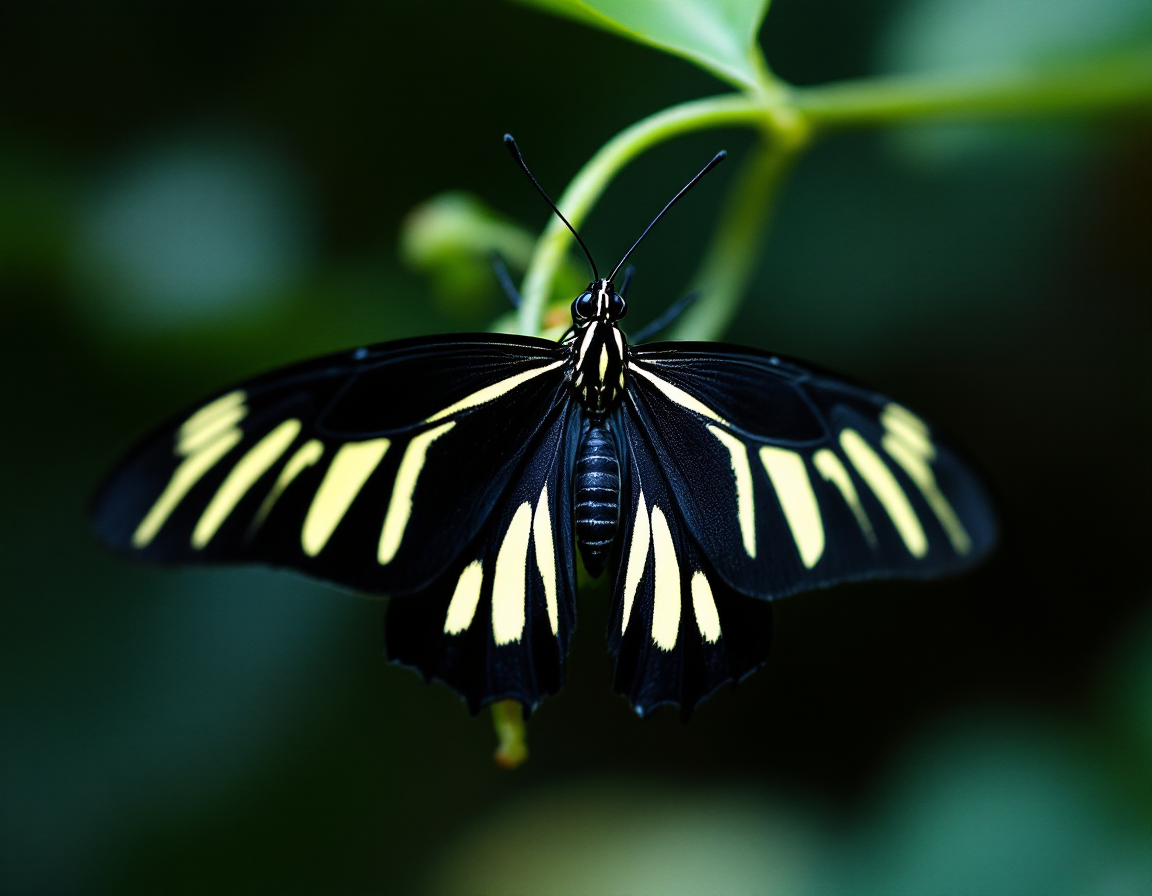
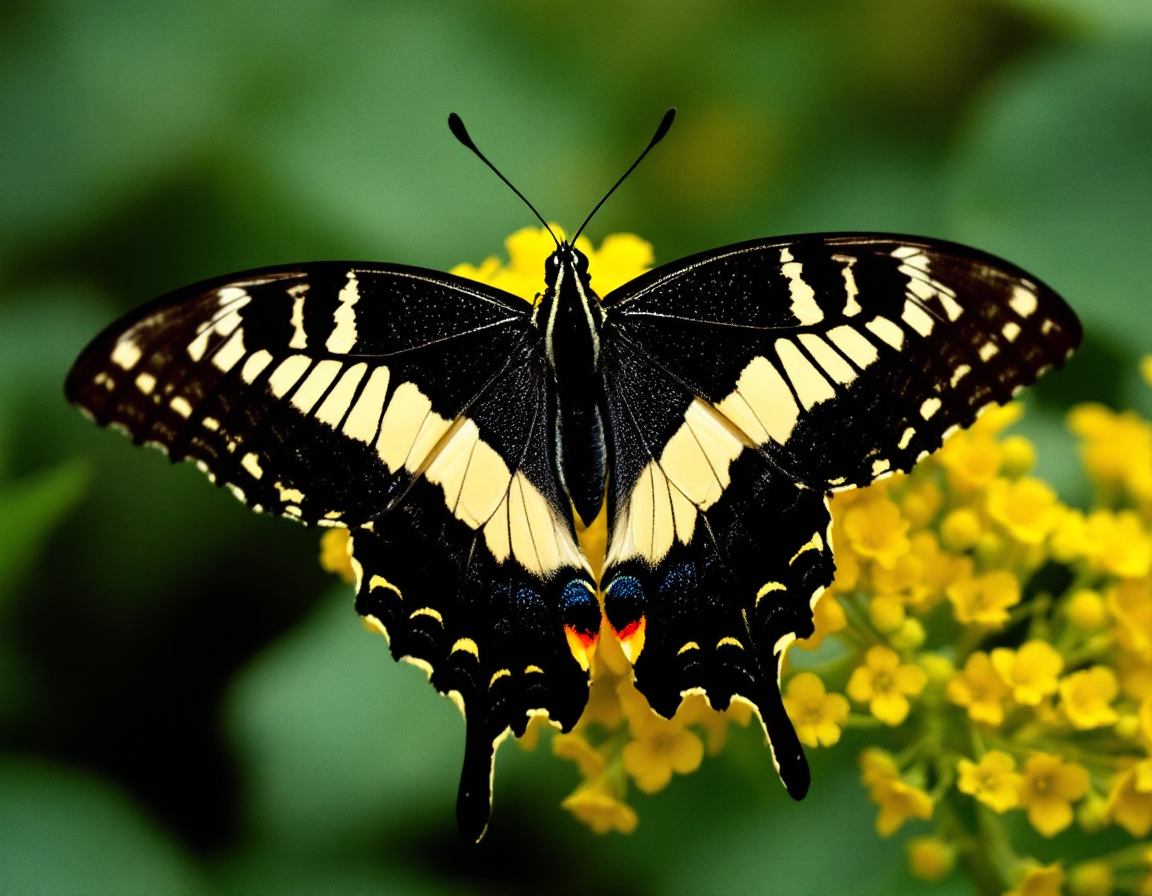
Long narrow black wings striped in pale yellow, and a slow floating flight that looks like the butterfly is being carried rather than flying itself. Florida's state butterfly. They roost together on the same twig night after night and come back to it.
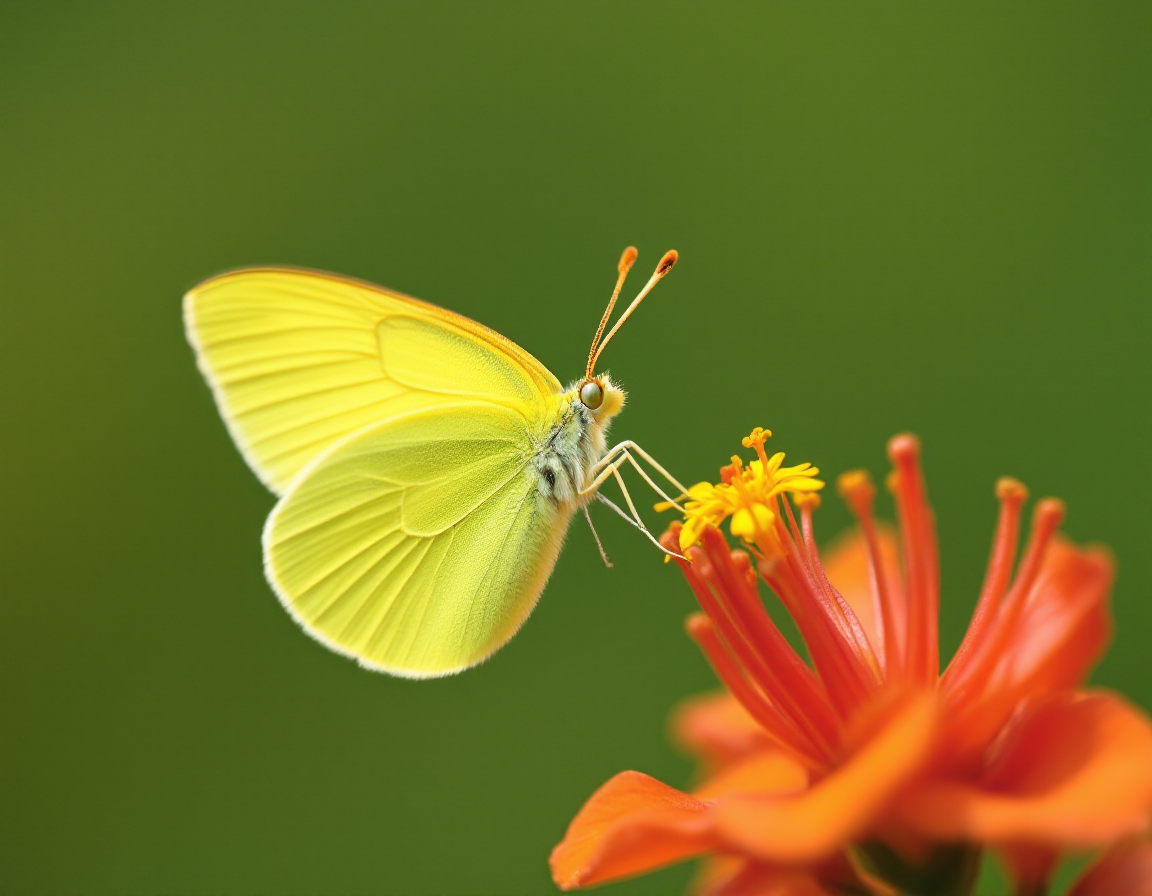
Big and lemon-yellow, and almost never still — they cross a field in a fast straight line and do not stop to be looked at. In fall you can stand in one spot and watch a steady one-way stream of them heading south.
The big ones, with tails trailing off the hindwings and a gliding flight nothing else here has. Several species turn up rather than one: the Giant Swallowtail, black and yellow and the largest butterfly on the property; the Black Swallowtail; and the Palamedes, which belongs to wet hammocks like the one along the river.
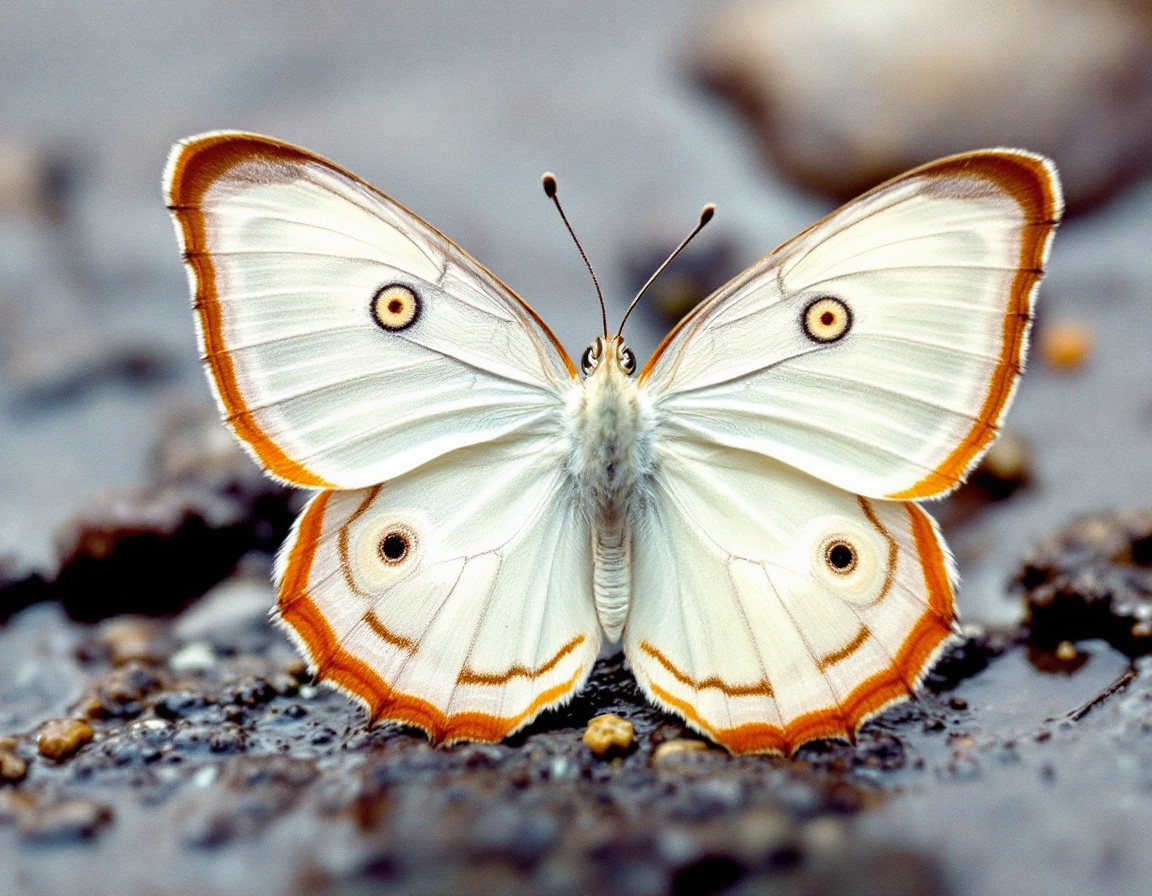
Pale, nearly white, with faint orange trim and a pair of dark eyespots on each wing. It flies low and fluttery and rarely gets above knee height. Anywhere the ground stays damp, this is the butterfly you see most of.
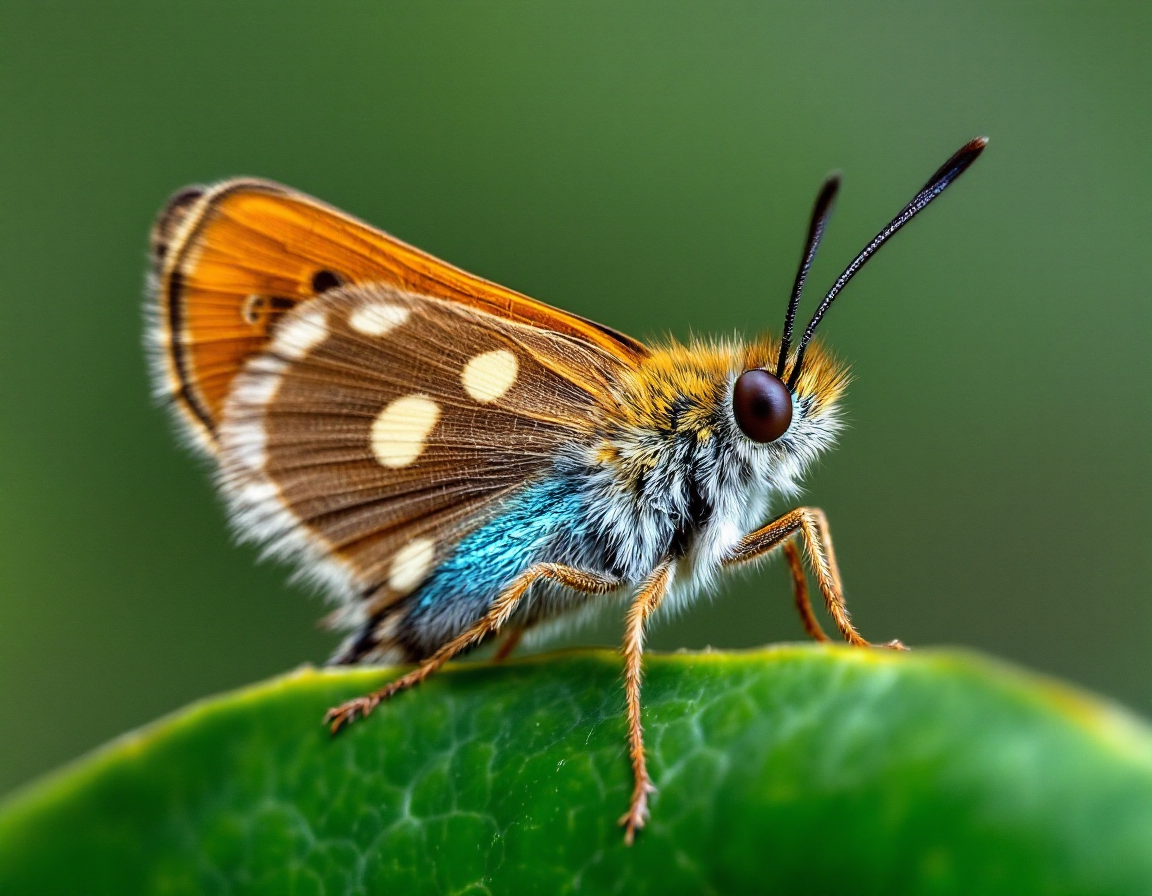
Small, stout and fast — they dart rather than flutter, and they perch with forewings and hindwings held at different angles, which nothing else does. The hooked tips on the antennae are what separate a skipper from a moth. Two are common here: the Long-tailed Skipper, blue-green bodied with trailing tails, and the orange Fiery Skipper out in the grass.
Almost anything in bloom will feed an adult butterfly. What decides whether a species actually lives here is the host plant — the one thing its caterpillars are able to eat. Plant only for nectar and you get visitors. Plant the hosts and you get residents.
Seen a butterfly here we have not listed? Tell us what it was and roughly where. We add to this page as the year goes.