Spatchcocked Jerk Chicken with Florida Avocado and Mango Salsa
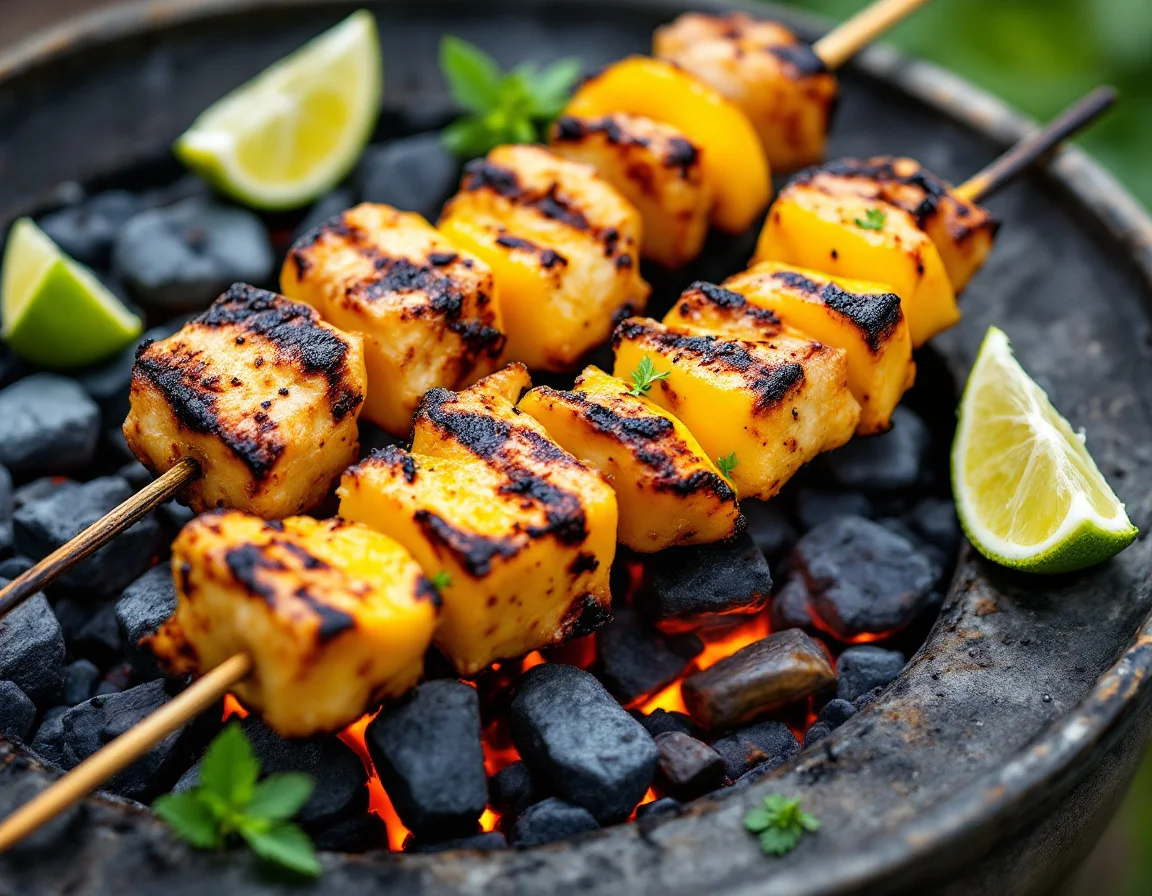
A whole pasture-raised chicken, backbone out and flattened, gets a bold Caribbean jerk marinade and goes straight onto a screaming-hot grill. The result is crisp, mahogany skin and deeply seasoned meat from wing to thigh, finished with a cool, chunky salsa of peak-season Florida avocado and ripe mango. It is the kind of backyard dinner that makes the whole neighborhood curious about what you are cooking.
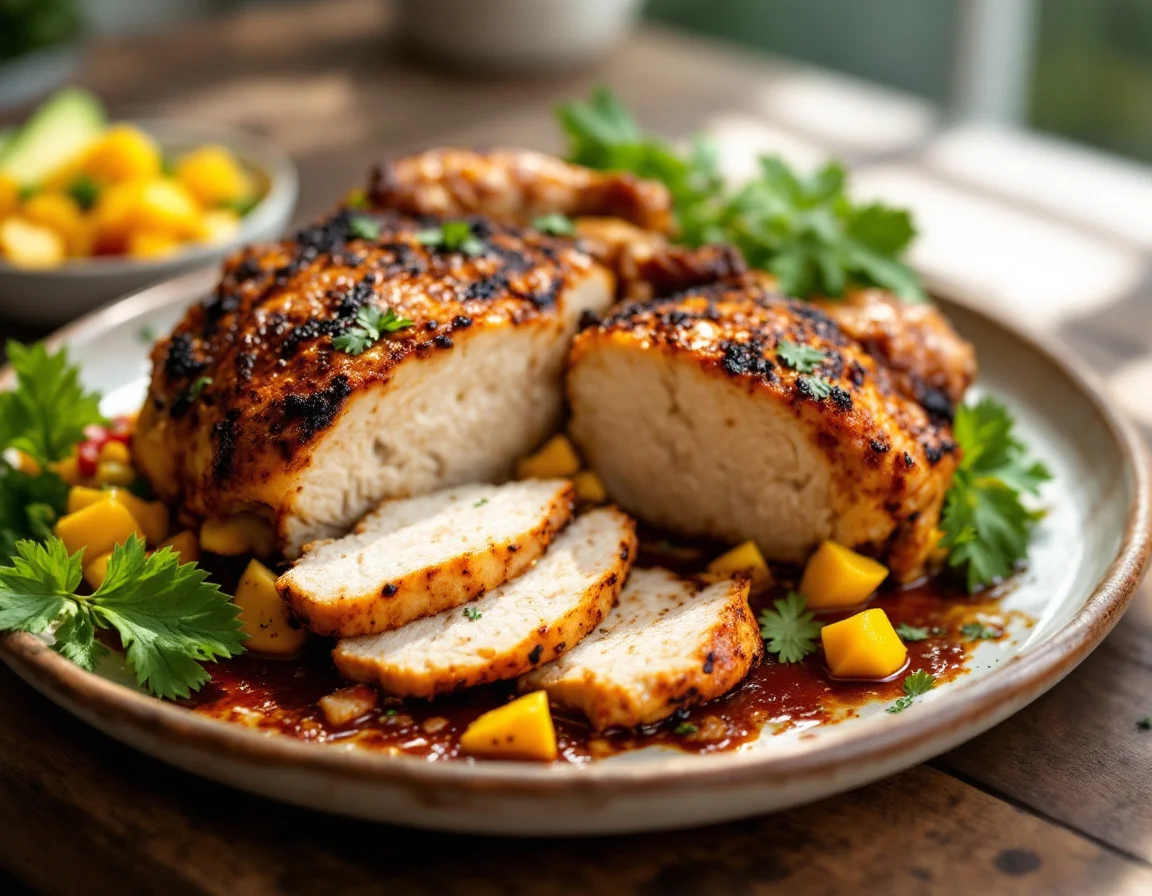
Jerk-spiced and grilled flat, with a bright Florida avocado and mango salsa on the side.
The Caribbean Jerk Festival up in Port Charlotte draws a crowd every August for good reason: jerk seasoning is one of those flavors that just belongs in Florida heat. Smoky, spiced, a little sweet, with real scotch bonnet fire underneath. We wanted to bring that same energy to a whole Altamont bird, and spatchcocking is the best way to do it.
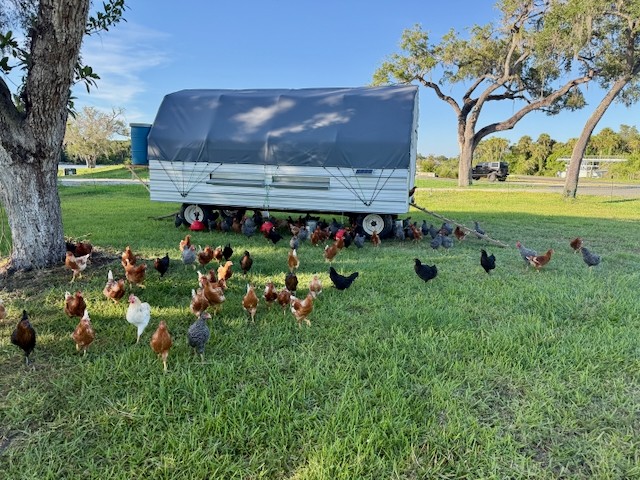
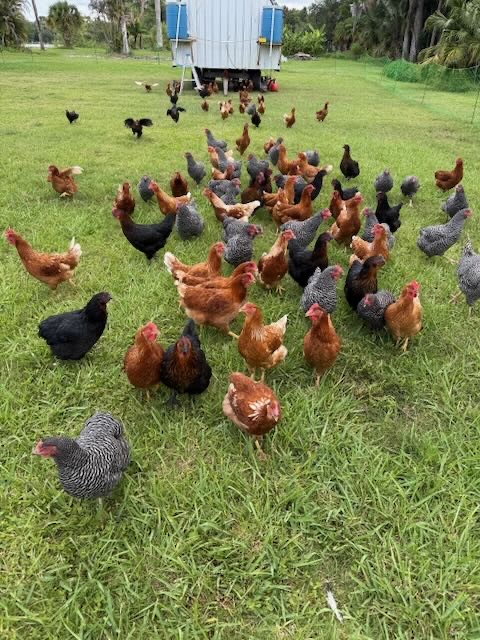
Flattening the chicken puts the whole bird in contact with the grill at once, so the skin goes properly crisp and the meat cooks evenly without drying out. Peak avocado season in South Florida means the salsa practically makes itself right now, and a ripe mango cuts through the heat of the jerk in a way that feels exactly right for August. You can read how we raise them here.
Ingredients
Method
- 1
Spatchcock the chicken: set it breast-side down on a cutting board and use sturdy kitchen shears to cut along both sides of the backbone and remove it. Flip the bird over and press firmly on the breastbone until you hear it crack and the chicken lies flat. Pat dry with paper towels.
- 2
Stir together the jerk paste, sour orange juice, and olive oil in a small bowl. Rub the mixture all over the chicken, including under the breast skin. Place the chicken in a large zip-lock bag or a dish, seal or cover, and refrigerate for at least 2 hours and up to overnight.
- 3
When you are ready to cook, pull the chicken from the fridge 30 minutes before grilling so it loses its chill. Prepare a two-zone grill: bank the coals to one side for charcoal, or turn one burner to high and one to medium-low for gas. Target a grill temperature around 425 to 450 degrees F.
- 4
Set the chicken skin-side down over the hotter side. Grill uncovered for 8 to 10 minutes until the skin is deeply charred in spots and releases easily from the grates. Flip and move to the cooler zone. Cover the grill and cook for 25 to 30 more minutes, until a thermometer reads 165 degrees F in the thickest part of the thigh.
- 5
While the chicken rests, make the salsa. Combine the diced avocado and mango in a bowl. Add the cilantro and a pinch of salt. Squeeze a little extra lime juice over the top and fold gently so the avocado stays in chunks.
- 6
Let the chicken rest on a cutting board for 10 minutes before carving. Cut into pieces, arrange on a platter, and spoon the avocado mango salsa alongside or right over the top.
Notes from our kitchen
- Florida avocados are larger and less fatty than Hass, which actually works in your favor here: they hold their shape better in a chunky salsa and don't turn to mush when you fold them.
- If your jerk paste is very thick, thin it with a little extra citrus juice before rubbing so it spreads evenly under the skin without tearing it.
- Save the backbone in a zip bag in the freezer. It makes excellent chicken stock when you have a few collected.
Common questions
Can I cook this in the oven instead of on the grill?
Yes. Roast the marinated chicken on a wire rack set over a sheet pan at 425 degrees F for 40 to 50 minutes, skin-side up, until a thermometer reads 165 degrees F in the thigh. Finish under the broiler for 3 to 4 minutes to crisp the skin.
Where can I find jerk paste in Southwest Florida?
Most grocery stores carry a jarred version near the hot sauces or Caribbean foods aisle. Grace and Walkerswood are reliable brands. You can also blend your own with scotch bonnet peppers, allspice, fresh thyme, garlic, ginger, and a little soy sauce.
How far ahead can I make the salsa?
Make it no more than 30 minutes before serving. Avocado oxidizes quickly and the mango will start to weep juice if it sits too long. A squeeze of lime slows the browning a bit, but fresh is always best.