Haitian Poulet Braise with Epis and Pikliz Slaw
Bone-in chicken pieces are rubbed deep with Haitian epis, a fragrant green seasoning paste of scallions, thyme, bell pepper, and scotch bonnet, then seared hard and braised until the meat falls toward the bone in its own concentrated sauce. A bright, crunchy pikliz slaw of cabbage, carrots, and scotch bonnet in white vinegar goes right on top at the table, cutting through every bit of richness. This is the chicken dish at the center of Haitian home cooking, and it earns that place every time.
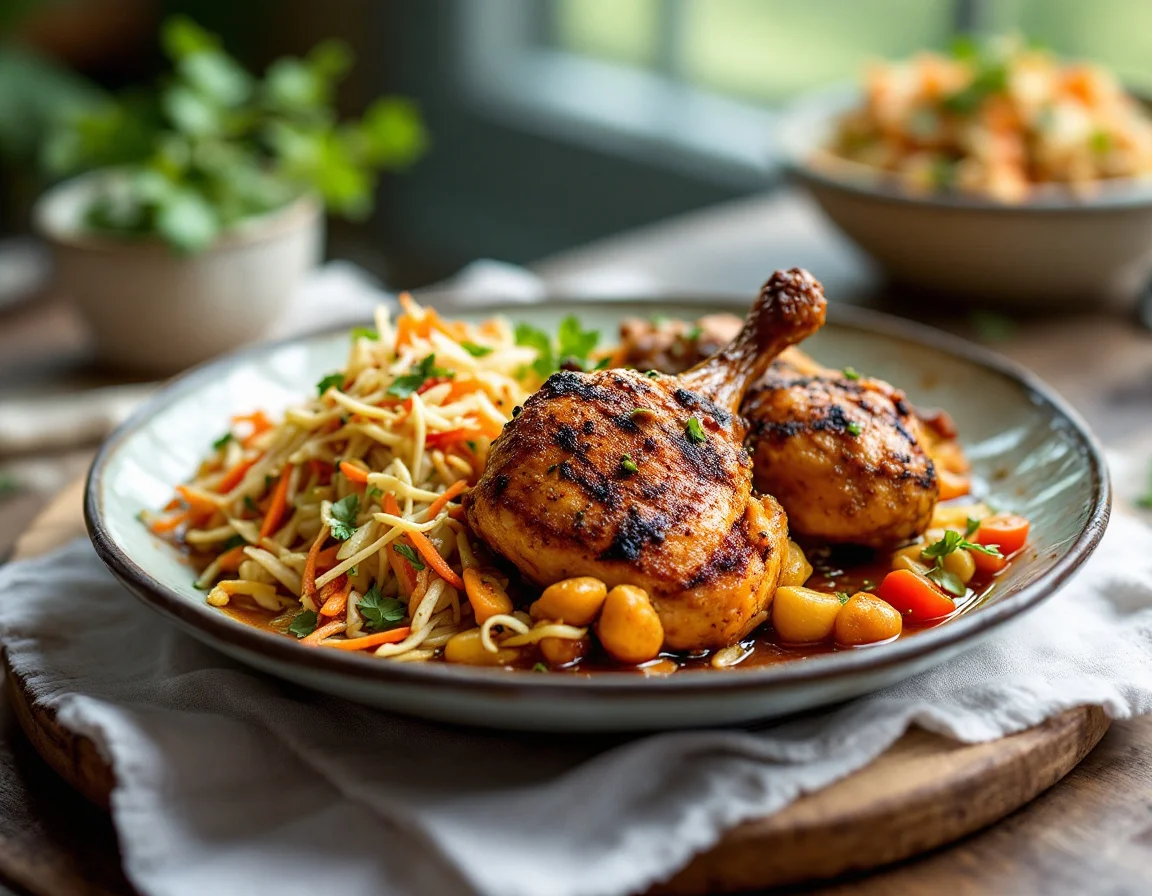
Braised in epis, finished with pikliz: this is Little Haiti's chicken at its best.
In Little Haiti in Miami and in Haitian households scattered across South Florida, poulet braise is not a special-occasion dish. It is Tuesday. It is Sunday after church. It is the thing that smells like home, built on a quick paste of scallions, thyme, scotch bonnet, and vinegar that Haitian cooks call epis, the flavor backbone of the whole cuisine.
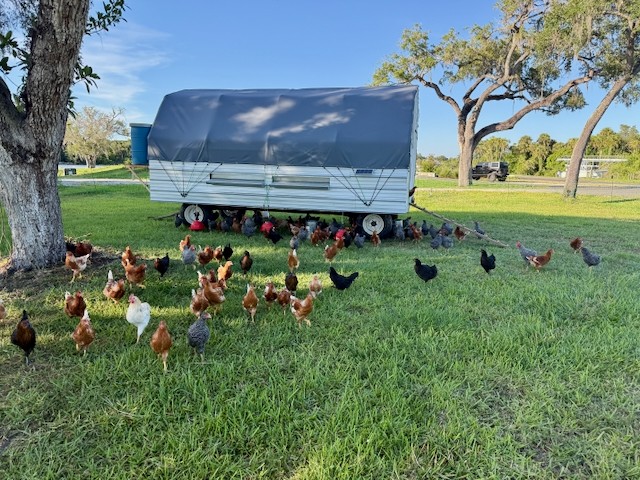
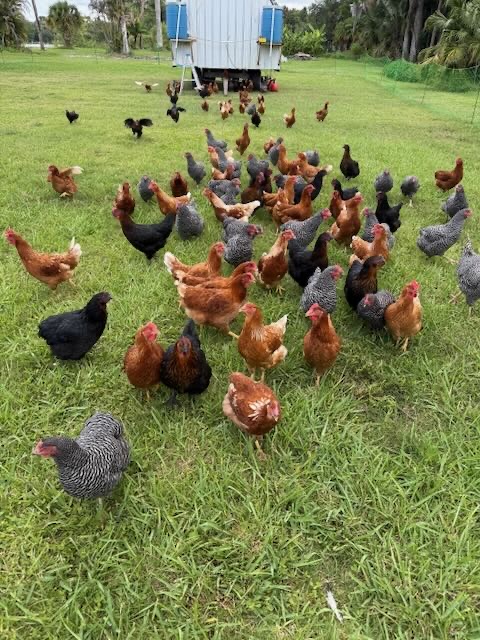
Altamont chickens are raised on pasture outside Alva, and that muscle and flavor holds up beautifully to a long braise like this one. The pikliz is not a garnish or an afterthought. It is the other half of the dish, crunchy and sharp and essential, and a Haitian cook will tell you that straight. You can read how we raise them here.
Ingredients
Method
- 1
Make the epis: combine the scallions, half the scotch bonnet, the green bell pepper, thyme leaves, 1 tablespoon of the white vinegar, 0.5 teaspoon salt, and 2 tablespoons of water in a blender or small food processor. Blend to a coarse, fragrant paste, scraping down the sides as needed.
- 2
Score the chicken pieces two or three times down to the bone with a sharp knife. Rub the epis all over and into the cuts, coating every surface. Cover and refrigerate for at least 2 hours, or overnight if you have the time.
- 3
Make the pikliz: thinly slice the remaining half scotch bonnet. Toss with the shredded cabbage and carrot, 0.5 teaspoon salt, and enough white vinegar to coat generously, about 3 tablespoons. Pack into a jar or bowl, press it down, and set aside at room temperature while the chicken cooks. It will soften slightly and turn bright and sharp.
- 4
Set a wide, heavy skillet or Dutch oven over medium-high heat and add 2 tablespoons of vegetable oil. Shake the excess epis off the chicken pieces and lay them skin-side down in a single layer. Sear without moving them for 5 to 6 minutes until the skin is deep golden brown. Flip and sear the other side for 3 minutes.
- 5
Pour off all but a thin film of fat from the pan. Return any reserved epis paste to the pan along with 0.5 cup of water. Stir it around to pick up any browned bits, then nestle the chicken pieces back in skin-side up. Reduce the heat to medium-low, cover tightly, and braise for 35 to 40 minutes until the meat is completely tender and cooked through.
- 6
Uncover the pan and raise the heat to medium-high for the last 5 minutes to reduce the braising liquid into a thick, glossy sauce that clings to the chicken. Taste and adjust salt.
- 7
Serve the chicken with the sauce spooned over and a generous pile of pikliz laid right alongside or directly on top. Haitian rice and red beans on the side makes this a full table.
Notes from our kitchen
- The longer the chicken marinates in the epis, the deeper the flavor goes. Overnight in the fridge is well worth it and requires almost no extra effort.
- Pikliz keeps in the refrigerator for up to two weeks and gets better after the first day. Make a double batch and keep it on hand for eggs, rice, or anything that needs a lift.
- Do not skip the sear before braising. That caramelized skin is where a big part of the dish's character lives.
Common questions
What is epis exactly?
Epis is the foundational seasoning paste of Haitian cooking, built from scallions, thyme, peppers, and acid. Nearly every savory Haitian dish starts with it. Think of it the way sofrito works in other Caribbean kitchens, though the flavor profile is its own thing entirely.
How hot is this dish?
With the scotch bonnet seeded and split between the epis and the pikliz, the heat is noticeable but not punishing. If you want it hotter, leave the seeds in. If you are cooking for people who are sensitive to heat, use a small amount of scotch bonnet only in the pikliz so folks can control their own burn.
Can I use a whole cut-up chicken instead of just thighs and drumsticks?
Absolutely. A whole pasture-raised chicken cut into eight pieces works great. Just know that the breast pieces will finish cooking faster than the dark meat, so pull them out a few minutes early and let the legs and thighs finish.