Gulf Snapper with Floribbean Escovitch and Fresh Mango
Pan-seared Gulf red snapper fillets get blanketed in a hot vinegar-kissed escovitch relish of sweet peppers, red onion, and ripe Florida mango, a Caribbean classic that found its Florida accent somewhere between Kingston and Key West. The pickle brine blooms right in the same skillet, so every bit of flavor stays in the pan. It is bright, a little fiery, and completely at home on a summer table.
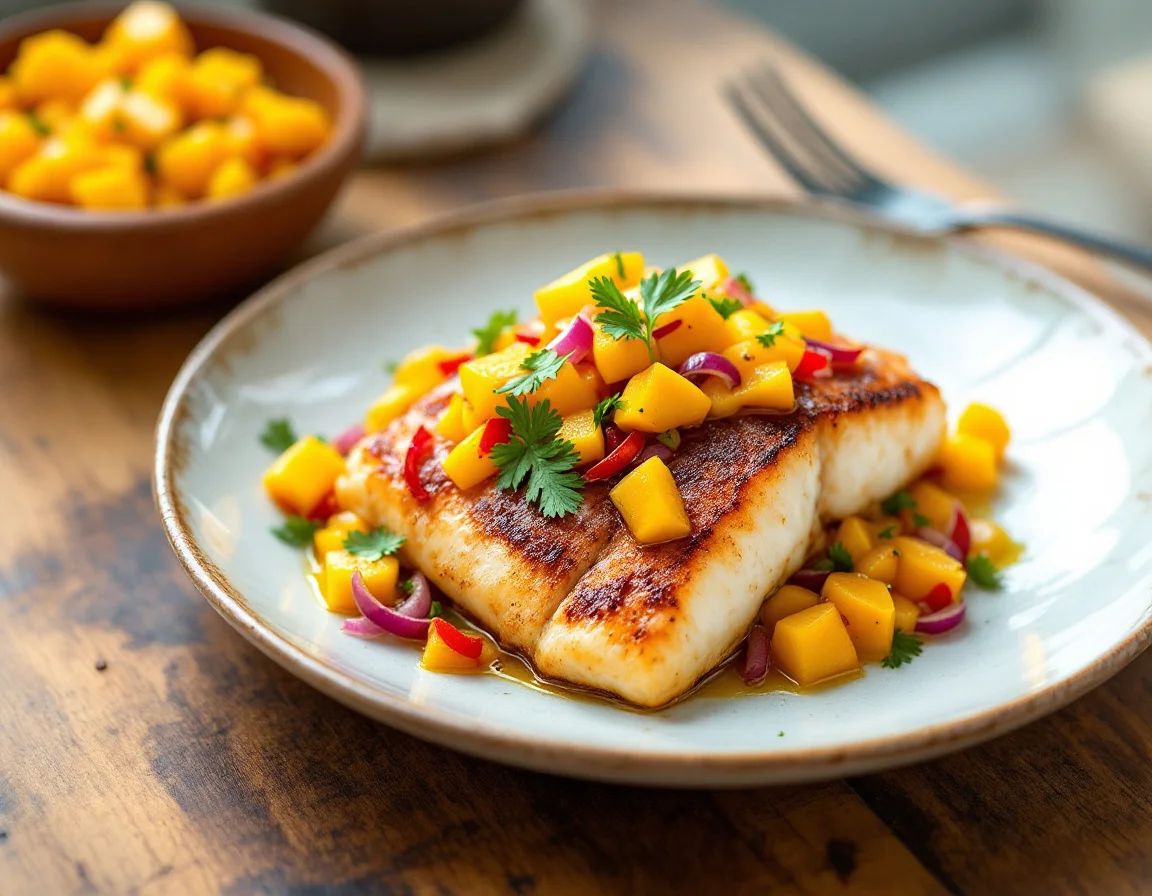
Gulf snapper pulled straight from a hot skillet, buried under sweet pepper escovitch and chunks of ripe mango.
Escovitch is one of those dishes that travels well. It started in the Spanish escabeche tradition, took root across the Caribbean, and landed in South Florida with a few new friends, namely ripe local mango and Gulf-caught snapper. The technique is dead simple: sear the fish hot and crispy, then pour a warm vinegar-pepper relish right over the top so the brine soaks into every crack in the skin.
With Cuban cooking getting its long-overdue moment in the spotlight right now, it felt right to put this Floribbean classic on the table. This is the kind of food Southwest Florida has been eating quietly for decades, and it deserves more attention than it gets. You can read how we raise them here.
Ingredients
Method
- 1
Pat the snapper fillets very dry with paper towels and season both sides generously with salt and black pepper. Let them sit at room temperature while you prep everything else, at least 10 minutes. Dry fish sears clean; wet fish steams.
- 2
Heat 2 tablespoons of the oil in a large cast-iron or stainless skillet over medium-high heat until shimmering. Lay the fillets skin-side down and press each one gently with a spatula for the first 30 seconds so the skin makes full contact. Cook without moving for 4 to 5 minutes, until the skin is deep golden and the flesh is opaque about two-thirds of the way up. Flip and cook 1 to 2 more minutes. Transfer to a plate and tent loosely with foil.
- 3
In the same skillet, reduce heat to medium and add the remaining tablespoon of oil. Add the sliced bell peppers, red onion, and Scotch bonnet. Cook, stirring occasionally, for 4 minutes until the vegetables are just softened but still have a little bite.
- 4
Pour the vinegar into the skillet and stir to lift up any browned bits from the bottom. Season with 0.5 teaspoon salt and a pinch of sugar if you like. Let it bubble for 1 minute, then remove the skillet from the heat.
- 5
Fold the mango cubes into the hot escovitch relish and stir gently. The heat of the pan will warm the mango without cooking it to mush. Taste and adjust salt or vinegar.
- 6
Arrange the snapper fillets on a platter or individual plates, skin-side up to keep it crisp. Spoon the escovitch relish and all its juices generously over and around the fish. Serve right away with white rice or grilled bread to catch the brine.
Notes from our kitchen
- Snapper skin sticks when the pan is not hot enough. Give the oil a full minute to heat before the fish goes in, and do not try to move the fillets early. They will release on their own when the skin is properly crisped.
- Scotch bonnet brings real heat. If your crowd runs mild, substitute one fresh jalapeño and get most of the fruity flavor without the full fire. If they run hot, leave a few seeds in.
- Cane vinegar is worth tracking down at any Latin or Caribbean grocery in Southwest Florida. It has a rounder, slightly sweeter bite than white vinegar and makes the escovitch taste more authentic.
Common questions
Can I use a different Gulf fish here?
Absolutely. Mahi and grouper both work great. Just adjust your cook time based on thickness, about 4 to 5 minutes per half-inch of fillet.
Can the escovitch relish be made ahead?
Yes, and it actually gets better. Make the pepper and vinegar portion up to a day ahead and refrigerate it. Reheat gently on the stove and stir in the fresh mango right before you serve.
What does escovitch mean and where does it come from?
Escovitch is the Jamaican and wider Caribbean name for fish dressed with a hot vinegar pickle of peppers and onion right after cooking. It traces back to the Spanish escabeche tradition brought to the islands centuries ago. In South Florida it has picked up local ingredients like mango and citrus, which is the Floribbean spin you see here.