Green Boiled Peanuts with Datil and Bay
Florida green peanuts cooked low and slow in heavily salted water with datil peppers and fresh bay leaves until the shells go soft and the meat inside turns creamy and almost briny. This is Old Florida in a pot, the kind of thing that disappears fast at a tailgate or a front porch gathering. You just need time and a willingness to leave the stove alone.
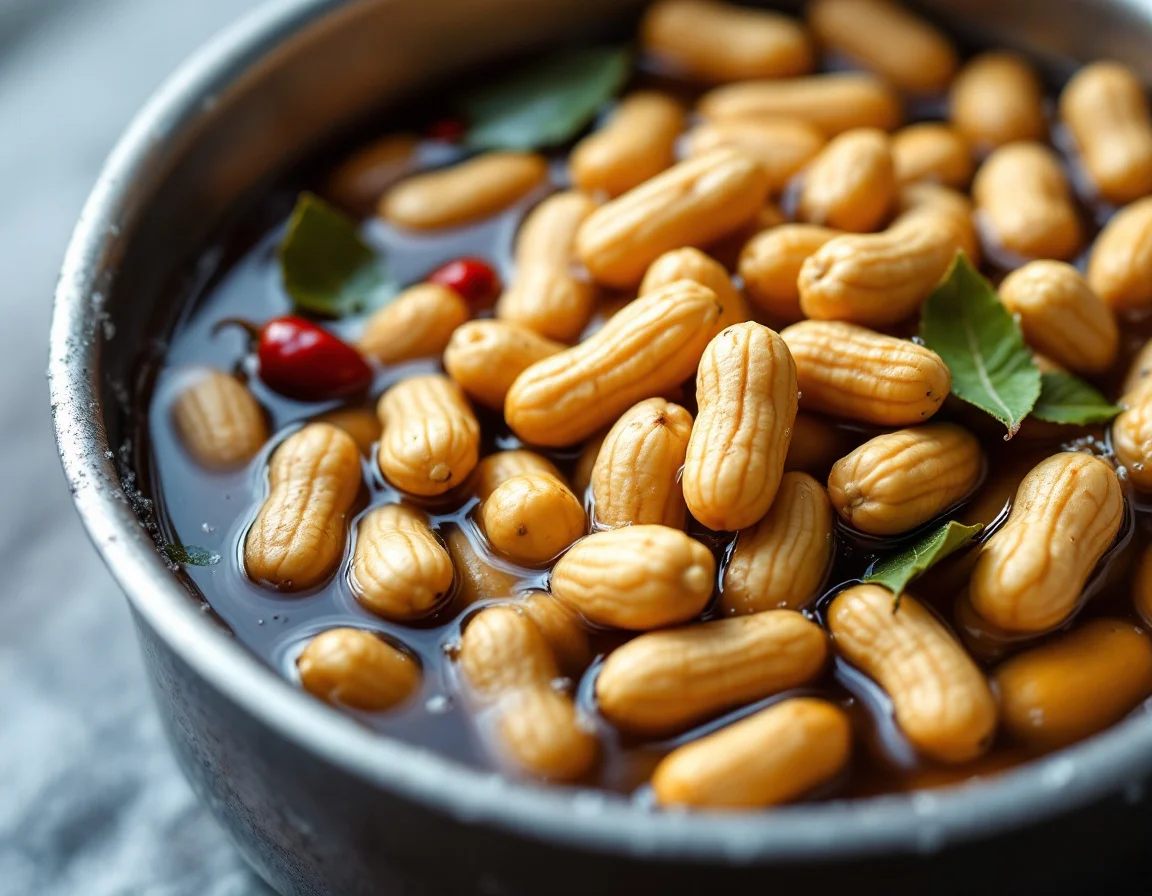
A pot of green boiled peanuts with datil and bay, ready for the porch.
If you grew up in rural Florida, you already know that a bag of boiled peanuts from a roadside stand is one of the great simple pleasures this state has to offer. They are salty, soft, a little funky in the best way, and completely unlike anything you get from a can. The trick is starting with genuine green peanuts, the fresh ones pulled before they dry out, and giving them the time they need.
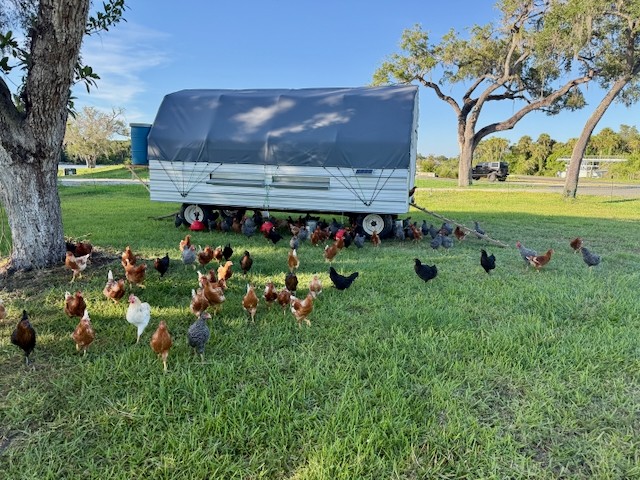
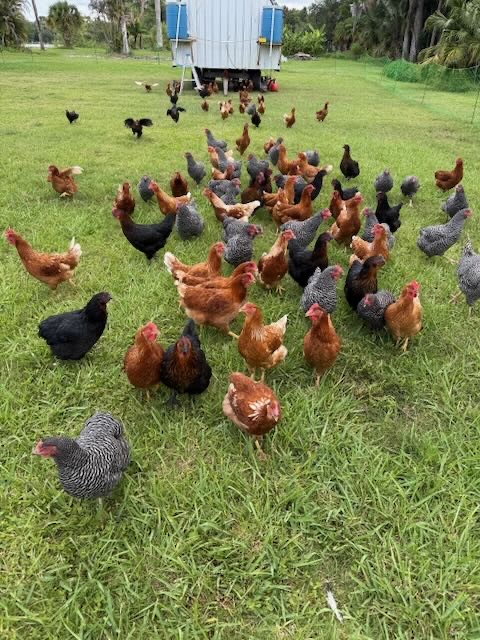
This version sticks close to the Old Florida tradition but adds datil peppers and fresh bay leaves to the brine, a nod to the North Florida and St. Augustine roots of the datil pepper. The heat is present but not loud. The bay adds a faint herbal note that you cannot quite name but would miss if it were gone. Make a big pot and do not plan on having leftovers. You can read how we raise them here.
Ingredients
Method
- 1
Rinse the green peanuts well under cold water, scrubbing the shells lightly to remove any dirt or field debris. Pick out any that look shriveled or hollow.
- 2
Put the peanuts in a large heavy pot and cover with the water. Add the kosher salt, datil peppers, bay leaves, and cane syrup. Stir to dissolve the salt. The peanuts will float at first, which is normal.
- 3
Bring the pot to a boil over high heat, then reduce to a steady, gentle simmer. Set a lid on slightly ajar to let a little steam escape. You want the water moving but not aggressively bubbling.
- 4
Cook for 2.5 to 3 hours, checking every 45 minutes or so to make sure the peanuts stay submerged and the water level stays at least an inch above the shells. Add hot water as needed and stir occasionally.
- 5
Start tasting at the 2.5 hour mark. Fish out a peanut, crack it open, and eat one. The nut should be soft and creamy all the way through with no chalky or raw bite left. If it needs more time, keep simmering and taste every 15 minutes.
- 6
When the texture is right, pull the pot off the heat and let the peanuts soak in the brine for at least 30 minutes before draining. The longer they soak, the saltier and more flavorful they get. Taste the brine and adjust salt if you want them bolder.
- 7
Drain and serve warm in a big bowl or spread out on newspaper the old-fashioned way. Discard the bay leaves. The datil peppers will have given a low, building heat without turning the pot truly hot.
Notes from our kitchen
- Green peanuts are the fresh, undried version and they cook completely differently than raw dried peanuts. In Florida they show up at farm stands and roadside trucks from late summer into fall. If you cannot find them locally, look at Latin or Asian grocery stores, or order online. Dried raw peanuts require twice the cooking time and never get the same creamy texture.
- The cane syrup is subtle here, just enough to round the salt and coax a little depth without sweetening the pot. If you do not have it, skip it rather than substituting something else.
- Scoring the datil peppers lets the heat seep into the brine without turning it incendiary. If your datils are particularly hot or you want a milder pot, leave them completely whole. If you want real fire, halve two of them and add them cut-side down.
- Boiled peanuts keep refrigerated in their brine for up to five days. Reheat them in the brine on the stovetop or microwave them in a covered bowl with a splash of water.
Common questions
Can I use a slow cooker instead of the stovetop?
Yes, and many people prefer it for the hands-off convenience. Use the same amounts and cook on high for 5 to 6 hours or low for 8 to 9. Check the texture at the lower end and keep going if they need more time. The slow cooker will not need the lid cracked.
What if I cannot find datil peppers?
Datil is native to the St. Augustine area and has a fruity, fast heat that is different from most chiles. If you cannot track them down, a small habanero makes the closest substitute in terms of flavor character. Use one habanero left whole and scored the same way. Do not use jalapeno or serrano, the flavor profile is too different.
How do I know when they are done?
Texture is your only reliable guide, not the clock. Crack a shell and eat the nut. It should be fully soft and almost silky, with no crunch or raw starchiness left. Some peanuts cook faster than others depending on how freshly they were pulled from the ground, so start tasting early and trust what you taste.
Can I freeze boiled peanuts?
Yes, they freeze surprisingly well. Drain them, spread them on a sheet pan to freeze individually, then transfer to zip bags. They reheat from frozen in boiling water or the microwave in just a few minutes and taste nearly as good as fresh.