Collards with Cane Syrup and Datil Vinegar
Florida collard greens braised low and slow until silky, then pulled together with cane syrup for sweetness and a sharp datil pepper vinegar that cuts right through it. This is the sweet-hot-sour trifecta that Old Florida cooks have known for generations. It belongs next to cornbread, pork, or just about anything off the grill.
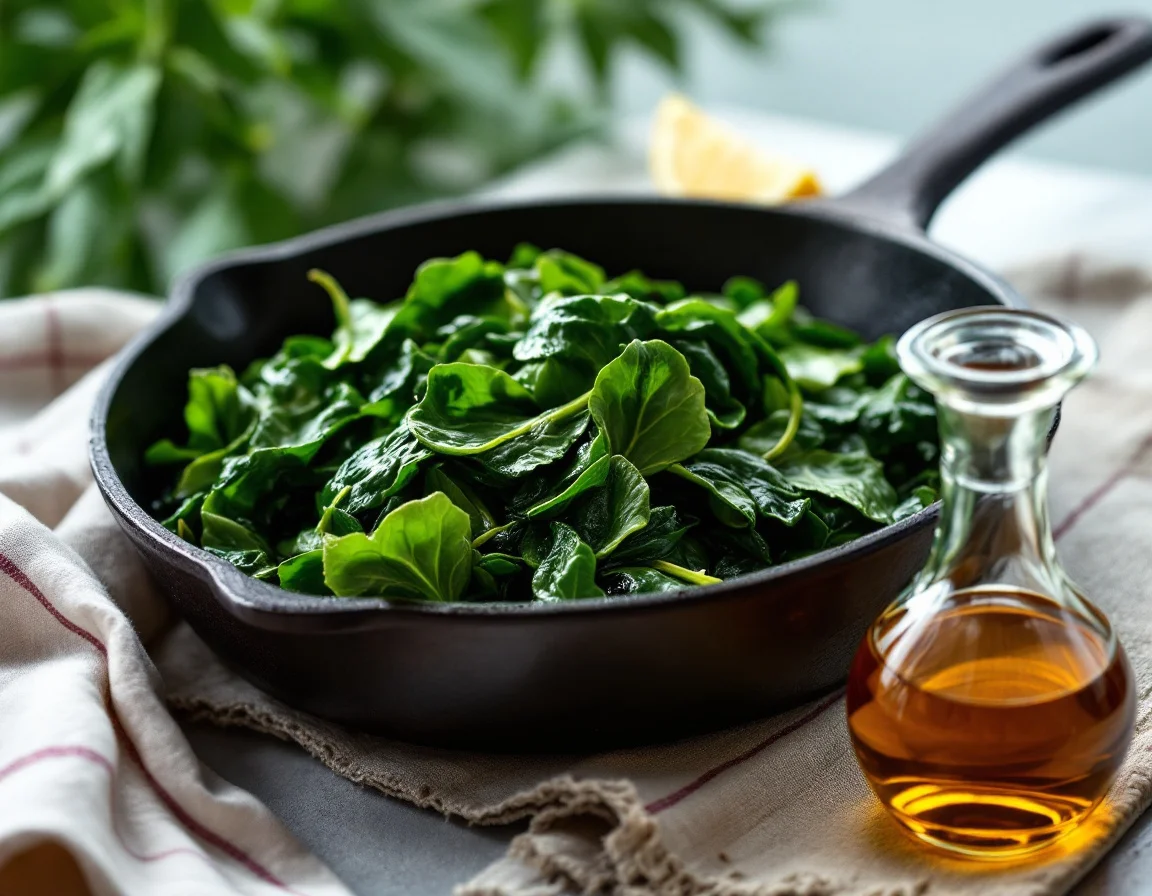
Silky braised collards with that cane syrup gloss and a datil vinegar bite.
Old Florida cooks have been sweetening their greens for as long as there have been cane fields in this state, and the combination of cane syrup with something sharp and hot is one of the most honest flavor moves in the Southern Florida kitchen. This recipe takes collard greens through a proper braise with salt pork and onion, then finishes them with Florida cane syrup and a vinegar that has been sitting with datil peppers long enough to carry real heat and fruit.
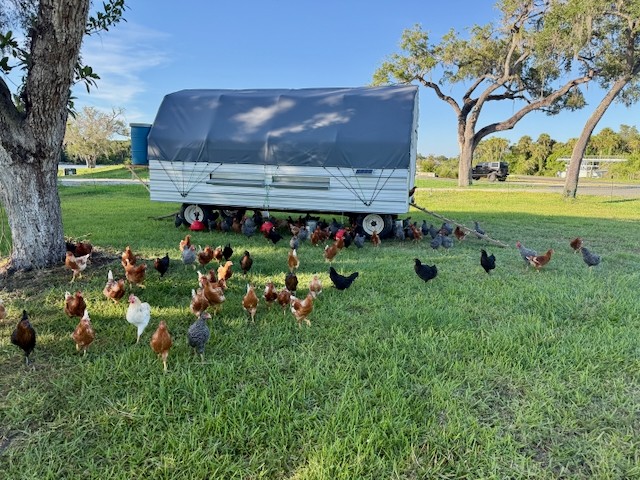
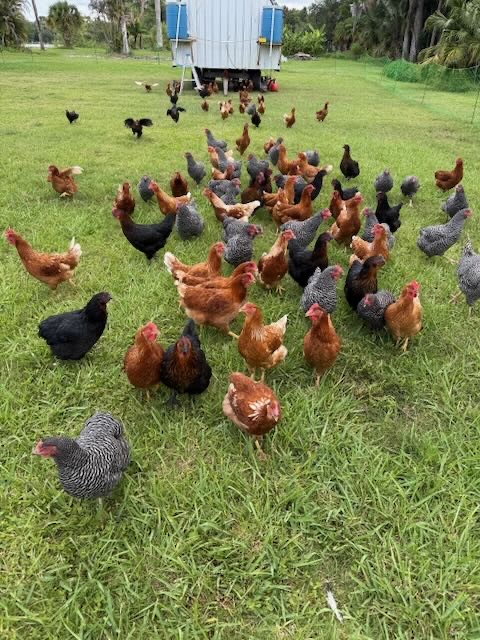
We are in Lee County, which means good collards come through the farm stands and roadside markets from fall into spring. When you find a bundle that looks dark and substantial, this is a fine use for it. The technique is simple and the result is one of those sides that quietly steals the plate. You can read how we raise them here.
Ingredients
Method
- 1
Set a wide, heavy pot or Dutch oven over medium heat. Add the diced salt pork and cook, stirring occasionally, until the fat renders out and the pieces are golden and crisp, about 6 to 8 minutes. Remove the pork with a slotted spoon and set aside, leaving the fat in the pot.
- 2
Add the sliced onion to the pot and cook in the rendered fat over medium heat, stirring now and then, until soft and starting to pick up some color, about 8 minutes.
- 3
Add the collard ribbons in big handfuls, turning them in the fat and onion as each batch wilts down enough to add the next. Once all the greens are in, pour in the chicken stock and bring to a gentle simmer.
- 4
Stir in the cane syrup, datil vinegar, and crushed pepper. Reduce the heat to low, cover, and braise the greens for 30 to 35 minutes, until they are completely tender and the pot liquor is deeply flavored. Taste and adjust: more vinegar for brightness, more cane syrup for sweetness.
- 5
Uncover, return the reserved salt pork to the pot, and cook uncovered for another 5 minutes to let the liquid reduce slightly and coat the greens. Serve hot, with extra datil vinegar on the table.
Notes from our kitchen
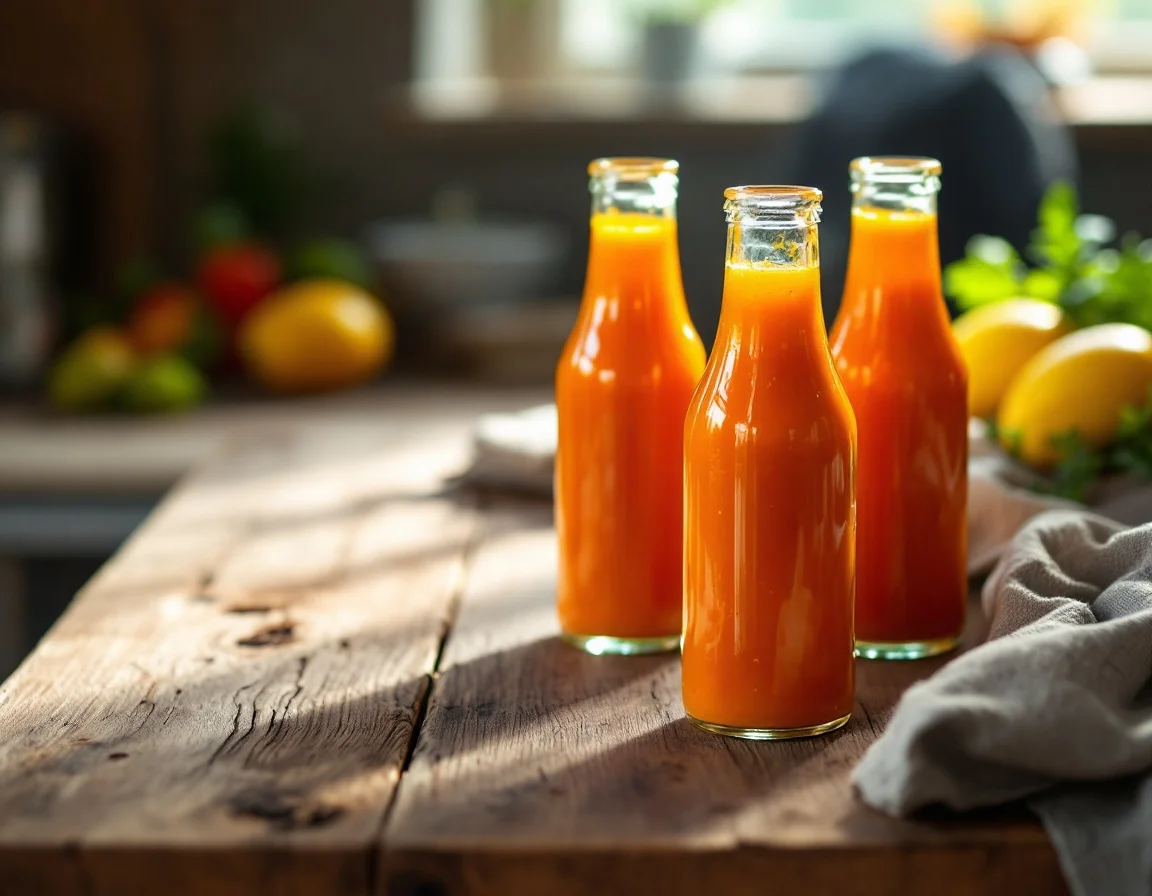
- Datil pepper vinegar is easy to make ahead: drop 3 or 4 dried or fresh datil peppers into a bottle of apple cider vinegar and let it sit for at least a week. A few dashes of a good datil hot sauce stirred into plain cider vinegar works in a pinch.
- Florida cane syrup has a deeper, more molasses-forward flavor than plain sugar or corn syrup. Steen's Pure Cane Syrup is widely available in Florida grocery stores and is a solid substitute if you cannot source it locally.
- Do not rush the braise. Collards need the full 30 minutes to go from tough and grassy to silky. Pulling them early is the most common mistake.
- Save the pot liquor. That dark, potent liquid left in the bottom of the pot is worth drinking on its own or soaking up with a wedge of skillet cornbread.
Common questions
Can I make these without the salt pork?
Yes. Use two tablespoons of olive oil or bacon drippings to cook the onion, then add a splash of soy sauce or a small piece of smoked turkey neck for depth. The greens will still be delicious.
What if I cannot find datil vinegar or datil peppers?
Apple cider vinegar spiked with a small amount of habanero or a dash of your favorite Florida hot sauce gets you close. Datils have a fruity heat that habanero shares, so it is the right substitute.
Can I make these ahead?
Absolutely. Braised collards reheat beautifully and many cooks think they are better the next day once the flavors settle. Store them covered in the fridge for up to four days and reheat gently on the stovetop.
What do these pair well with?
They are at home next to smoked or roasted chicken, grilled pork chops, cornbread, field peas, or any kind of slow-cooked meat. They also work as a side at a Florida barbecue spread.