Cane Syrup and Datil Glazed Chicken
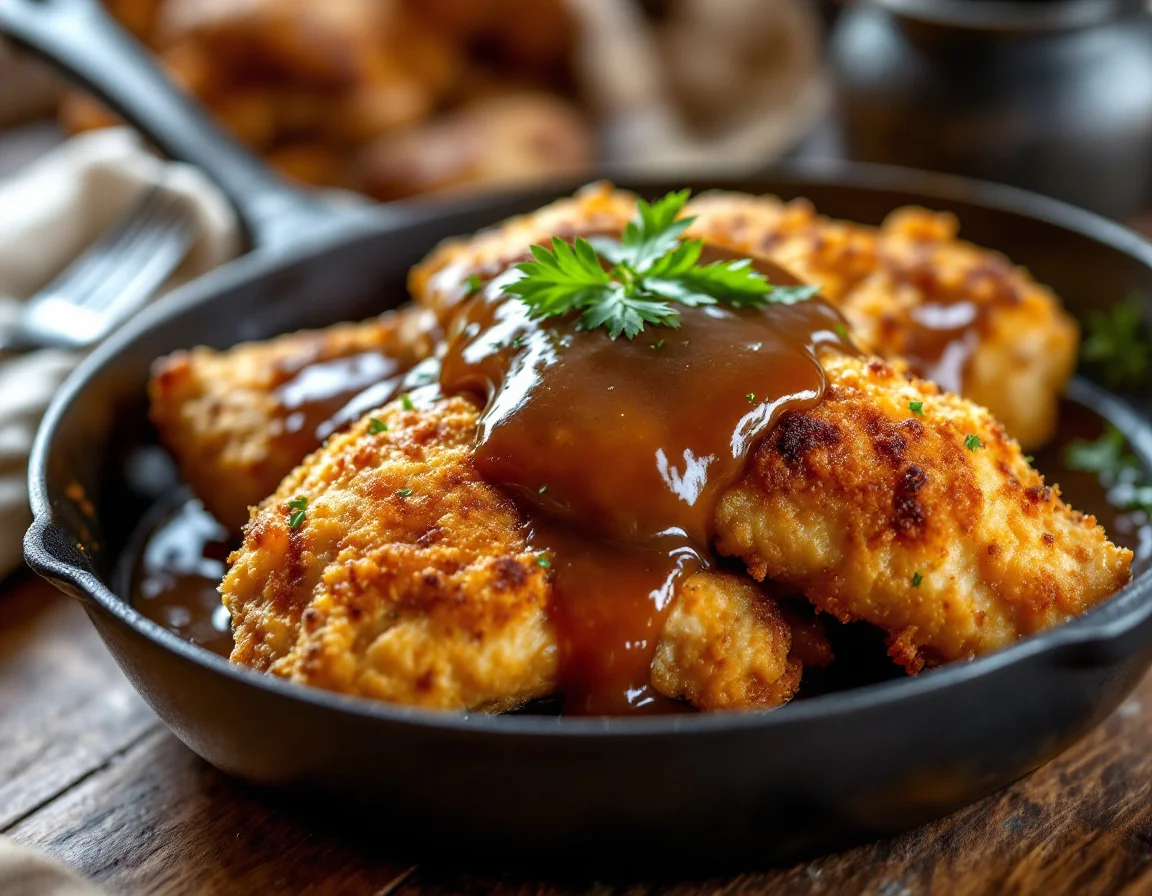
A whole pasture-raised chicken roasted until the skin goes dark and lacquered, glazed with nothing but Florida cane syrup, datil pepper sauce, and a little butter. The heat from the datil blooms into the sweetness of the syrup and the result is something you will want to eat with your hands over the sink. This is Old Florida pantry cooking at its most direct.
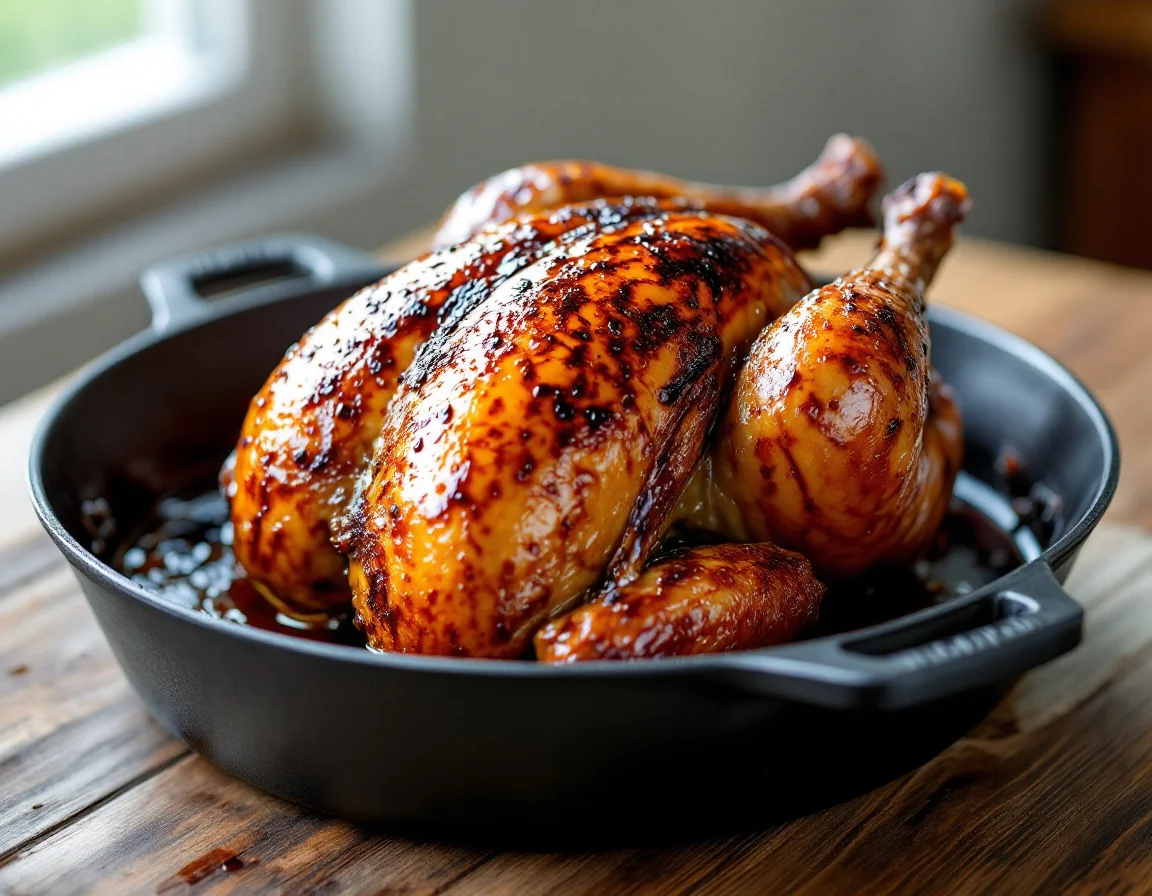
Three ingredients, one bird, one pan. Dinner is done.
There is a certain kind of Old Florida pantry that has a jug of cane syrup on the shelf next to a bottle of datil sauce, and this recipe comes straight out of that tradition. Three ingredients go into the glaze. You brush it on a whole bird three times while it roasts, and by the time it comes out of the oven the skin is dark, sticky, and crackled at the edges in the best possible way.
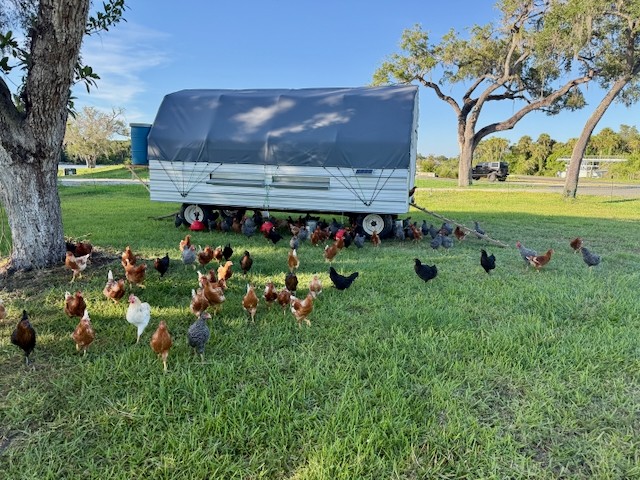
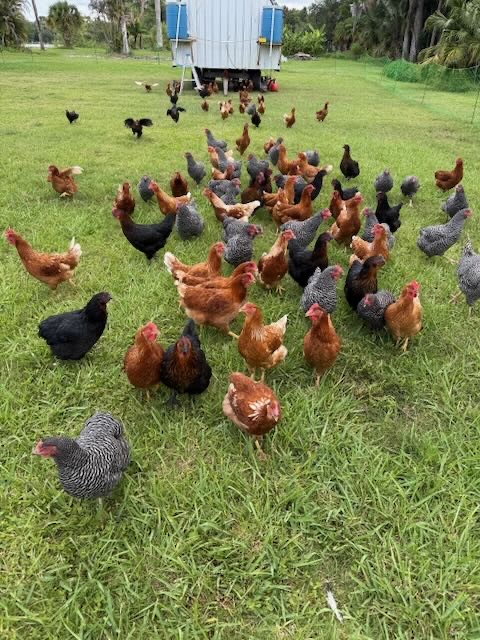
At Altamont we raise our chickens on pasture, which means the skin renders differently than a conventionally raised bird and holds a glaze like this especially well. The extra fat in a pasture-raised chicken keeps the meat juicy even as the skin gets that lacquered finish you are going for. Start with the bird very dry and a very hot oven and it will do most of the work for you. You can read how we raise them here.
Ingredients
Method
- 1
Pull the chicken from the refrigerator 30 minutes before you plan to roast it. Heat your oven to 425 degrees F with a rack in the middle position. Set the chicken breast-side up in a cast-iron skillet or a heavy roasting pan. Season all over and in the cavity with the salt and black pepper.
- 2
Whisk together the cane syrup, datil pepper sauce, and melted butter in a small bowl until combined. The glaze will be thin and glossy. Set aside a few tablespoons to use at the very end.
- 3
Brush the chicken generously all over with about half the glaze, getting underneath the breast skin where you can work a finger in. Put the pan in the oven.
- 4
Roast for 40 minutes, then open the oven and brush on another layer of glaze. The skin should be starting to color. Return the pan to the oven for another 20 minutes.
- 5
Brush on the last of the glaze, then give the bird a final 15 to 20 minutes until the skin is deeply lacquered and a thermometer inserted into the thickest part of the thigh reads 165 degrees F. If the skin darkens faster than the bird cooks through, tent loosely with foil.
- 6
Rest the chicken in the pan for 10 minutes before carving. Spoon any syrup and drippings pooled in the bottom of the pan over the pieces before serving. Use the reserved glaze as a dipping sauce at the table.
- 7
Carve and serve immediately. This bird is good hot, and it is also very good cold the next morning pulled off the carcass.
Notes from our kitchen
- Cane syrup is not the same as molasses or corn syrup. Look for Steen's or a Florida-made syrup. The flavor is lighter and more caramel-forward, which is what makes this glaze work without tasting heavy.
- The datil pepper sauce can vary a lot in heat level from brand to brand. Start with 2 tablespoons for a medium kick and adjust up or down next time to your taste.
- A dry bird is the key to lacquered skin. If you have the time, leave the chicken uncovered on a rack in the refrigerator overnight before roasting.
Common questions
Can I use chicken parts instead of a whole bird?
Yes. Bone-in, skin-on thighs work beautifully. Reduce the oven time to about 35 to 40 minutes total, glazing twice during cooking, and pull them when they hit 165 degrees F.
Where do I find datil pepper sauce in Florida?
Most grocery stores in North and Central Florida carry it. In Southwest Florida, check Latin markets or order online. Dat'l Do It and Minorcan Mike's are two reliable brands. You can also use a fresh or pickled datil if you want to make your own quick hot sauce.
Can I substitute another hot sauce if I cannot find datil?
You can, but the flavor will be different. Datil has a fruity, bright heat that pairs especially well with cane syrup. A habanero-based sauce is the closest substitute. Avoid anything vinegar-heavy, which will make the glaze too sharp.
What should I serve alongside this chicken?
Something simple that can catch the drippings. Boniato mash, stone-ground grits, or a skillet of field peas all work well. A pile of collards is a natural match here.