Buttermilk Fried Chicken Thighs with Sawmill Gravy
Bone-in chicken thighs soaked in tangy buttermilk, dredged in seasoned flour, and fried to a shatter-crisp crust, then finished with a proper sawmill gravy made right in the same skillet. This is the Deep South plate that North Florida grew up on, the kind that has held the table together for generations. Serve it over a split biscuit or beside a pot of field peas and you have got a meal that needs no explanation.
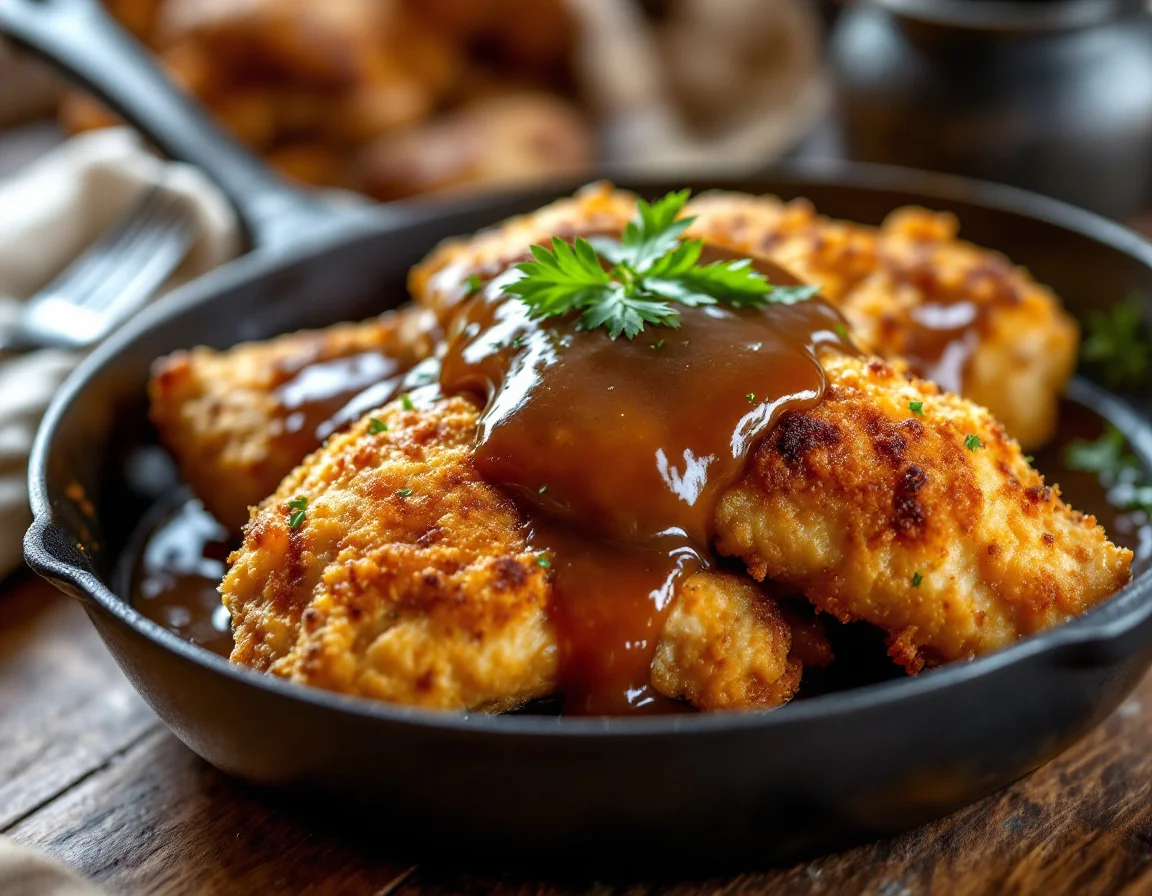
Cast-iron fried chicken thighs, craggy crust and all, buried under a peppery sawmill gravy made from the drippings.
Fried chicken and sawmill gravy is as North Florida as it gets. In Alva and all through the cattle country up toward Arcadia and Wauchula, this plate shows up at church suppers, family reunions, and every kitchen that learned to cook from someone who learned to cook from the land. It is not a trend. It is just how people eat.
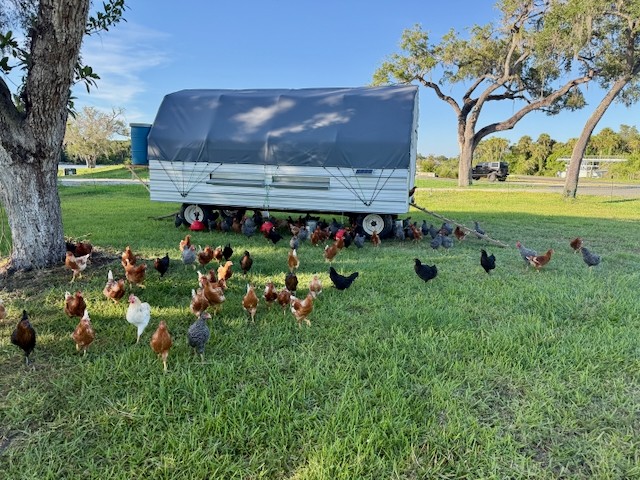
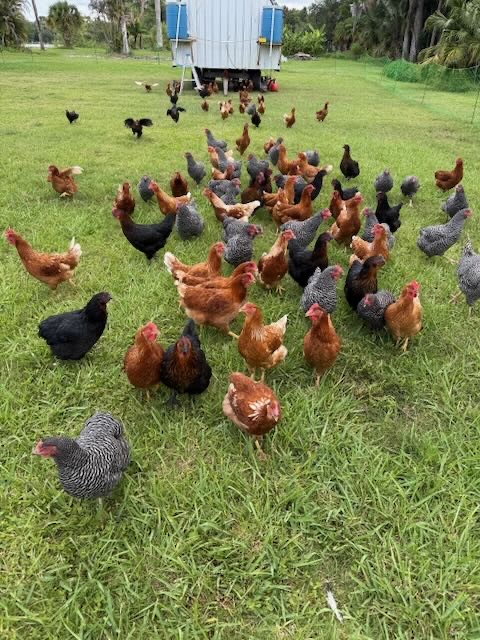
Altamont thighs are the right bird for this job. Pasture-raised chickens have more developed muscle and a little more fat under the skin, which means the crust crisps up beautifully and the meat stays juicy all the way through the fry. Get the buttermilk soak going in the morning and you have supper handled before the day gets away from you. You can read how we raise them here.
Ingredients
Method
- 1
Season the chicken thighs all over with 1 teaspoon black pepper, the cayenne, and 1.5 teaspoons of salt. Put them in a bowl or zip bag, pour the buttermilk over, and press out the air. Refrigerate for at least 2 hours and up to overnight.
- 2
When you are ready to fry, pull the chicken from the refrigerator and let it sit at room temperature for 20 minutes. Whisk together 1.25 cups of the flour, 1 teaspoon black pepper, 1 teaspoon salt, and a pinch of cayenne in a shallow dish.
- 3
Melt the lard in a 12-inch cast-iron skillet over medium-high heat until it reaches 350 degrees F. You want about 0.5 inch of fat in the pan. Lift each thigh from the buttermilk, let the excess drip off, then dredge firmly in the seasoned flour, pressing so every crease is coated. Shake off the loose flour.
- 4
Lay the thighs skin-side down in the hot fat, without crowding. Fry in batches if needed. Cook skin-side down for 10 to 12 minutes until deeply golden, then flip and cook another 8 to 10 minutes until the thickest part reads 175 degrees F on an instant-read thermometer. Transfer to a wire rack set over a sheet pan and hold in a 200-degree oven while you make the gravy.
- 5
Pour off all but 3 tablespoons of the drippings, leaving the browned bits in the pan. Set the heat to medium. Whisk the remaining 0.25 cup of flour into the drippings and stir constantly for 2 minutes until the roux smells toasty and turns pale gold.
- 6
Pour in the whole milk in a slow, steady stream, whisking the whole time. Keep stirring and let the gravy bubble gently for 4 to 5 minutes until it is thick enough to coat the back of a spoon. Season aggressively with black pepper and salt. Sawmill gravy should be deeply peppery.
- 7
Pull the chicken from the oven, plate the thighs, and spoon the hot gravy generously over the top. Serve immediately with biscuits, field peas, or collard greens alongside.
Notes from our kitchen
- Do not skip the long buttermilk soak. Two hours is the floor; overnight is better. It tenderizes the meat and the acidity helps the crust stick and stay crisp.
- Keep the oil temperature steady. If it drops below 325 degrees F the crust absorbs fat and turns greasy. A clip-on thermometer on the skillet takes the guesswork out entirely.
- Sawmill gravy thickens as it sits. If it gets too stiff before serving, whisk in a splash of warm milk to loosen it back up.
Common questions
Can I use chicken breasts instead of thighs?
You can, but thighs are the right call here. The extra fat keeps the meat juicy through the long fry time, and the bone helps it hold together. Breasts dry out faster and the crust-to-meat ratio is not as good.
What is sawmill gravy and how is it different from country gravy?
Sawmill gravy is North Florida and Deep South pan gravy made from meat drippings, flour, and milk. The name comes from the logging camps where it fed workers on cheap ingredients. Country gravy is essentially the same thing; sawmill is just the older, more honest name. The key difference from something like sausage gravy is that here the drippings carry all the flavor, no added meat required.
Can I fry in a Dutch oven instead of a skillet?
Yes, and it works well because the higher sides cut down on splatter. You can also use a little more fat for a deeper fry, which gives you more even browning. Just watch your temperature the same way.